













Why phones cost what they do: a guide for real conversations
At a lunch with friends, in a store queue or in the office kitchen, the same question often comes up: why does a phone cost so much? The answer is less mysterious – and more useful – than it first appears.
The question behind the price tag
A smartphone looks simple from the outside. A rectangle of glass and metal. A camera. A charger, if you’re lucky. A price tag that can make customers wince.
But the price on the shelf is only the last stop in a long journey. Before a device reaches a Vodacom store, a call centre query or a friend’s hand during their lunch break, its cost has been shaped by engineering choices, software requirements, global shipping, import duties, taxes, financing and the practical cost of getting a high-value item safely into market.
That matters because smartphones are not luxury extras anymore. They are the gateway to financial inclusion, education, healthcare, entrepreneurship and everyday participation in the digital economy. It is also why Vision 2030 puts smartphone adoption at the heart of closing the digital divide, with an ambition to grow Group smartphone penetration to more than 75% by FY2030.
So, when someone asks, “Why is this phone so expensive?”, the honest answer is: it’s a chain of reasons rather than just one.
In a nutshell: what makes up the cost?
- Parts: memory, battery, screen and chipset
- Build: manufacturing, testing, software and licences
- Movement: shipping, warehousing, insurance and security
- Market costs: import duties, VAT, retail and distribution
- Affordability tools: financing, subsidies, partnerships and local assembly where viable
Start with the phone itself
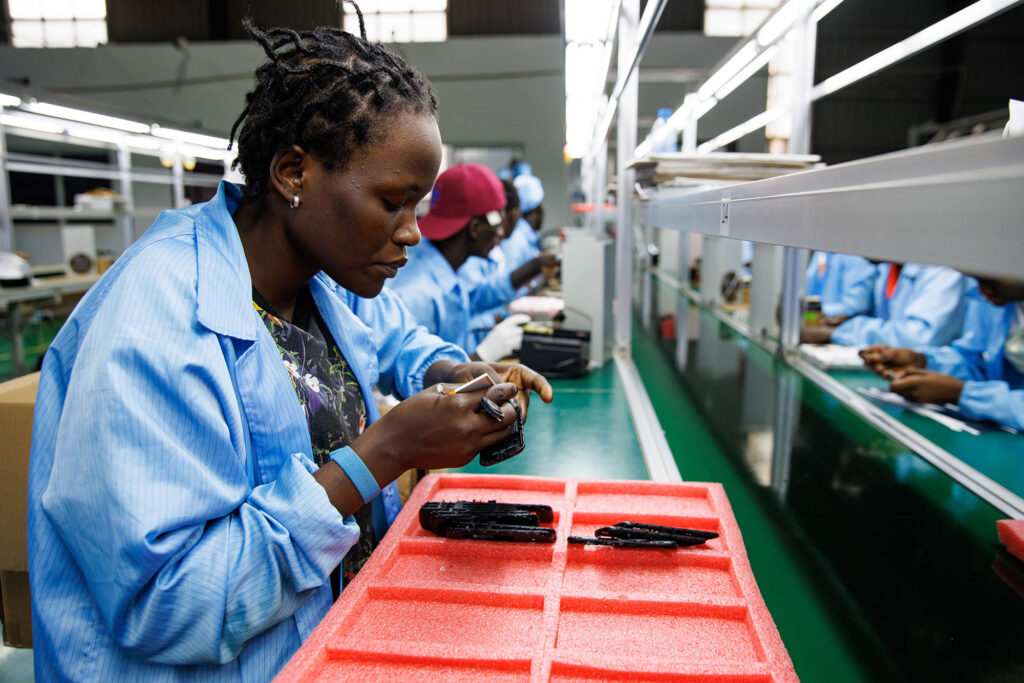
Sylvester Moyo, Executive Head of Terminals, who works closely with devices across Vodacom Group, describes the first layer as the BOM cost – the bill of materials. In plain English, that means the components inside the device.
The biggest cost drivers are usually the memory, battery, screen and chipset. Memory is especially important because the software running on phones has become more demanding. As Sylvester explains, a few years ago, an entry-level smartphone could be built around just 1GB of RAM and 8GB of internal storage (sometimes described as “1GB + 8GB”). Today, Android requirements are closer to 3GB + 64GB for many smartphones.
More memory means a better user experience and more features, but it also raises the cost before the phone has even left the factory. Device memory costs have surged due to intense global demand for AI-driven data centre infrastructure, which has monopolised manufacturing capacity and created supply constraints for both high-performance RAM and solid-state drive (SSD) storage components.
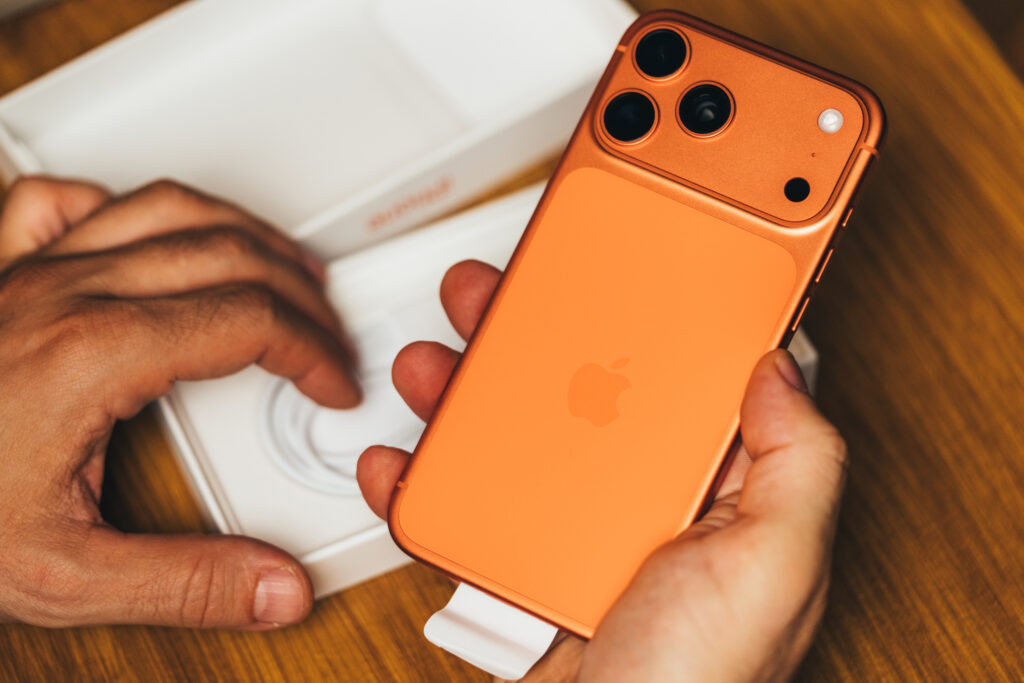
The battery is another big-ticket item. Customers want phones that last all day, support richer apps and handle more data. Larger, better batteries help make that possible. The screen matters too: the bigger it is, and the better its resolution, the more it adds to the cost.
Then there’s the chipset. Sylvester calls it “the little engine of a phone”. It determines much of what the device can do – from 4G or 5G performance to app responsiveness and power efficiency. A cheaper engine can lower the price, but it may also limit the experience customers expect from a modern smartphone.
The strength of companies like Apple comes from designing their own chipsets, which are often one to two years ahead of many of their competitors’ processors in terms of both performance and efficiency. Apple devices also use high-quality OLED displays with features like ProMotion, offering excellent brightness and colour accuracy.
In cameras, Apple combines custom sensors, lenses, and advanced image-processing hardware. Together, these components tend to be more premium than those used by most other phone manufacturers.
Then add the journey to market

The next layer is less visible: moving the device from a factory into a customer’s hand.
Shipping costs vary by route and urgency. Sea freight can be far cheaper than air freight, but it takes longer. During COVID-19, freight costs rose sharply, showing how quickly global disruptions can affect device economics. Once devices arrive, there are warehousing, insurance, security and distribution costs. These are not abstract line items. Smartphones are high-value products and moving them safely can require tightly controlled logistics.
Sylvester gives a simple example: a phone bought from China for $50 may land in market at around $80 once related costs are added. That difference can include shipping, duties, VAT, logistics, security, retail costs and the margin needed to keep each part of the chain working.
Duties and taxes can change the maths

Import duties and taxes can be one of the biggest reasons the same category of device costs different amounts in different countries.
In South Africa, phones attract a 9% duty, with zero duty for phones under R2 500, plus VAT. In Kenya, fully built devices can attract around 40.5% duty. Ethiopia has been cited at 35%, Egypt at 25%, Mozambique at 20% plus VAT, and DRC at 23% plus VAT. Tanzania has no duties on smartphones, but there is an eco-tax on smartphones, plus VAT.
This is why local assembly and trade agreements matter. Where markets can reduce the duty burden – for example, Egypt moving from 25% to 0% through local assembly – the savings can help make devices more affordable. But local assembly is not automatically cheaper. Factories, salaries, quality control and scale all have to make commercial sense.
Why affordability is bigger than discounts
The toughest part is that the customers who need smartphones most may feel the price most sharply. An entry 4G handset in Africa can cost up to 60% of average monthly income, making it a serious household decision, not an impulse purchase.
This is where Vodacom can help. One lever is low-cost sourcing: working with manufacturers to secure affordable 4G devices that still deliver a reliable experience. This includes smart feature phones designed for 4G connectivity, which offer a smartphone-like experience.
Another is financing. Instead of asking customers to pay the full price upfront, device financing spreads the cost through daily, weekly or monthly repayments. Our financing of devices has grown from 483 000 units in FY2024 to more than 1 million in FY2025, with a target of more than 2 million by FY2030.
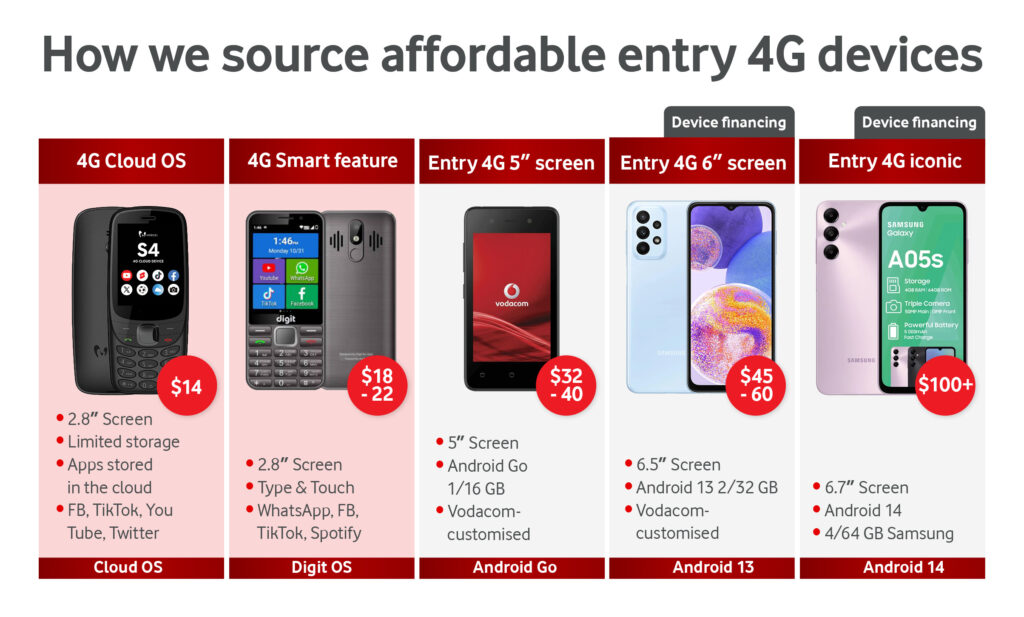
There are also targeted subsidies, including a Hisense 4G device sold at R249 after a significant Vodacom subsidy, designed to help customers move from 2G feature phones to smartphones. In some cases, devices may be locked to the Vodacom network so that the subsidy supports the intended customer relationship and commercial model.
This is not simply about selling more devices. It’s about helping more people cross the bridge from basic connectivity to a fuller digital life.
Numbers worth noting
• Our device financing roadmap moves from 483 000 devices in FY2024 to more than 2 million by FY2030.
• Entry 4G device examples in our device strategy range from about $14 to $60+, depending on specification.
A better answer for customers

The next time someone asks why phones cost what they do, you don’t need to defend every price tag. You can explain the building blocks.
A phone’s price starts with the components: memory, battery, screen and chipset. It grows through manufacturing, software, shipping and security. It changes again when duties, VAT and local market costs are added. And it can become more manageable through financing, subsidies, partnerships and, where it works, local assembly.
That explanation won’t make every frustrated customer smile, but it does show that the price of a phone isn’t random. It’s the result of many choices and costs – and it is an area where Vodacom is actively working with partners to make smart devices more accessible.
When more people can afford a smartphone, more people can learn, earn, transact, connect and grow. That is how we connect for a better future.