When the stadium roars: the network behind the Derby
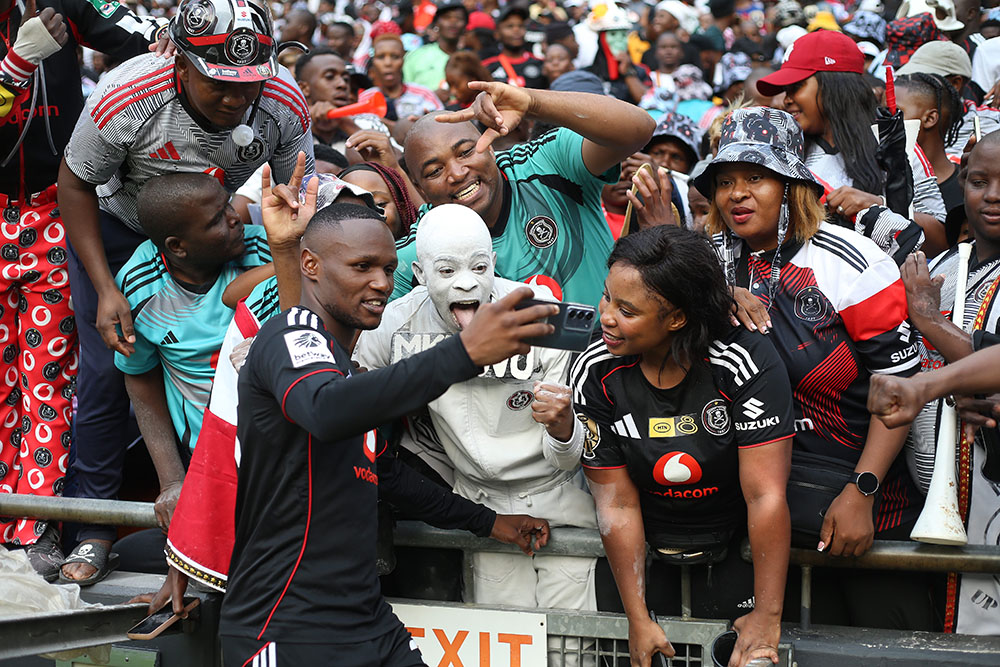
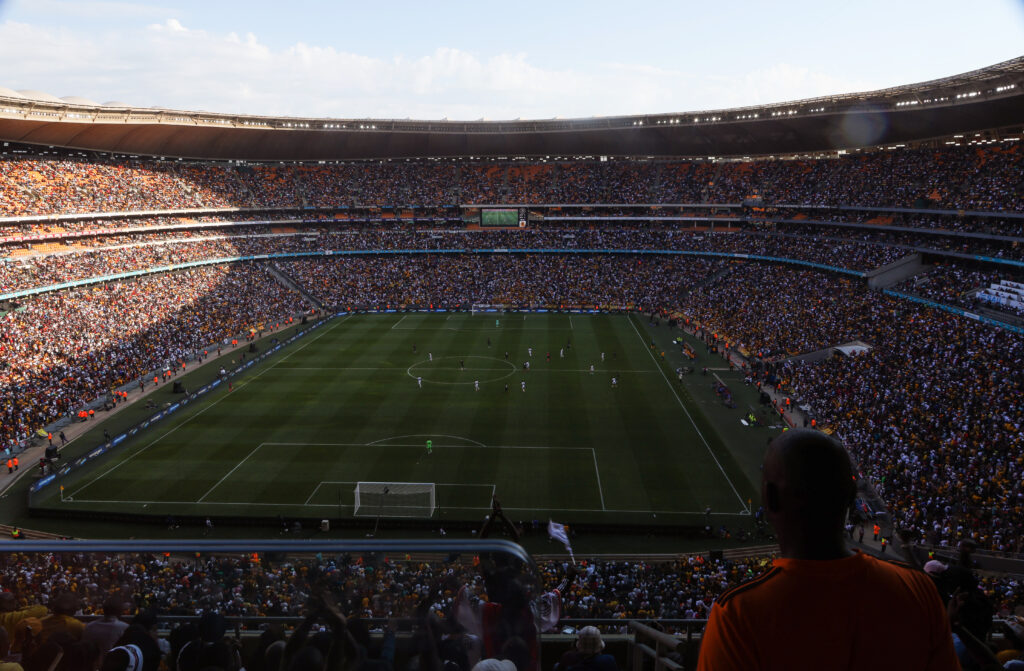
At FNB Stadium, tens of thousands of fans lift their phones at once: to call, post, stream and celebrate. The magic feels instant. For Vodacom’s network teams, it starts weeks before.
The Soweto Derby is never just 90 minutes of football. It is rivalry, family tradition, street-level pride and national conversation, packed into one stadium and shared far beyond its walls.
For Vodacom’s network teams, that emotion becomes practical: a concentrated surge in voice, data and media traffic. Fans arrive expecting the network to simply work. The pre-match selfie must upload, the goal celebration must post and, if needed, the emergency call must go through.
“The Soweto Derby is not just a football match,” says Nkoliso Yeko, Network Operations Specialist. “It’s one of the biggest events and sporting cultural spectacles in Africa and beyond.”
That spectacle puts the network under pressure. “We see it as an environment where there’s a massive spike of traffic, voice and media coverage,” Nkoliso adds. “Fans are overjoyed and they want to really have real-time connectivity.”
Weeks of work for one seamless day
Long before the first whistle, teams map demand, model risk, test alarms and build resilience around the event. Nathaniel Naidoo, Senior Specialist in Network Quality, says preparation starts early: “The event’s preparation starts with service alarm checks a week before the Derby.”
His description of the challenge is vivid: “A Soweto Derby can be compared to filling a room with thousands of people, all talking at the same time, but still being able to communicate effectively.”
Behind that communication is engineering discipline. Teams check power, cooling, hardware readiness, capacity, backup equipment and escalation routes. Antennas are optimised for dense crowds and high uplink demand, because a stadium is not only downloading content – it is uploading thousands of photos, videos, voice notes and live reactions at once.
More than 2 000 gigs of data flow through the stadium on match day. To absorb that pressure, Vodacom uses capacity upgrades and extreme-density technology, including MatSing ball antennas, so the crowd can keep sharing without feeling the strain.
Antennas and capacity are optimised for dense crowds and high uplink demand
Inside the command centre
On match day, engineers on site and teams monitoring remotely watch the network almost in real time. Dashboards rise as fans arrive. Radios crackle. Field teams are ready. The goal is not to react after customers complain, but to solve problems before they become visible.
“What fans don’t realise is that we have personnel on the ground, measuring customer experience, as well as teams monitoring the network remotely to respond to any escalations and to capture live network traces,” Nathaniel says.
For Meshack Mulaudzi, Transmission Specialist, readiness is both technical and personal. “If an issue arises, we always have a dedicated command centre, from my colleagues who are remotely monitoring, myself as an engineer on site, on standby to actually be aware and ready to respond promptly on any technical glitch,” he says.
Nkoliso describes “a command centre environment” created with the venue organising committee, backed by spare equipment and monitoring systems that “flag any anomalies immediately”. Meshack puts it even more plainly: “We just resolve an issue before customers even experience connectivity issues.”
People first, technology second
The technology matters because the people matter. A fan posting a goal celebration is sharing more than data; they are sharing belonging. A parent calling after the final whistle isn’t thinking about transmission or resilience; they just need the call to connect.
That is why large-scale live events connect so strongly to Vodacom’s purpose: Connect for a better future. They also bring Vision 2030 to life, especially the ambition to drive technology leadership in network, IT and security while earning customer loyalty through simple, exceptional experiences.
“Success is when the team plans the system in such a way that communication is possible,” Nathaniel says. “Our customers are able to connect with social media, communicate in cases of emergency, and communicate in general during the event.”
Being invisible is the win
When the final whistle blows, the Vodacom teams do not leave first. Their work continues as the crowd moves out, the celebrations spill beyond the stadium and thousands of fans begin the journey home.
This is one of the most important parts of the day. The surrounding precinct still needs strong connectivity and enough capacity for the surge in calls, messages, posts, payments and shared moments that follow a big match. Teams keep monitoring the area to support a smooth exit too, from reliable connections to e-hailing platforms to the navigation apps helping fans find their way out safely and efficiently.
“When the final whistle blows and the match has concluded, it’s a massive relief,” Meshack says. “It also validates the months of hard work, the weeks and the days we have put effort in to ensure that there is actually resilience and assurance on our network connectivity.”
It’s a reminder that the best network stories are often invisible. Fans remember the goal, the chant, the celebration and the journey home. Behind it all are people planning for the unexpected, building redundancy and creating overcapacity before the pressure arrives.
When South Africa shows up, the network must be ready – quietly, confidently and fully connected. That’s how our technology brings people together.
• Read more about Vodacom’s special relationship with football here.
Bongi Mbuli, Group Executive Head: Internal Communications, Vodacom Group Sian Singh, Senior Specialist: Internal Communications, Vodacom Group Content contribution: Our thanks to the internal communications teams and representatives from the Vodacom Group of companies One Spirit is edited, designed and published on behalf of Vodacom Group by Media24 (Pty) Ltd
This communication is an internal magazine for employees of the Vodacom Group of companies that is intended solely for use by Vodacom Group employees and authorised representatives. Copyright 2026, Vodacom. All rights reserved. While all precautions have been taken to ensure accuracy of information, neither the editor, publisher nor Media24 can be held liable for any inaccuracies, injury or damage that might occur.
All content, information, artwork and opinions are Classified as C1, as per Cyber Security Restrictions.