Microwave tech for macro impact: our wireless milestone in Egypt
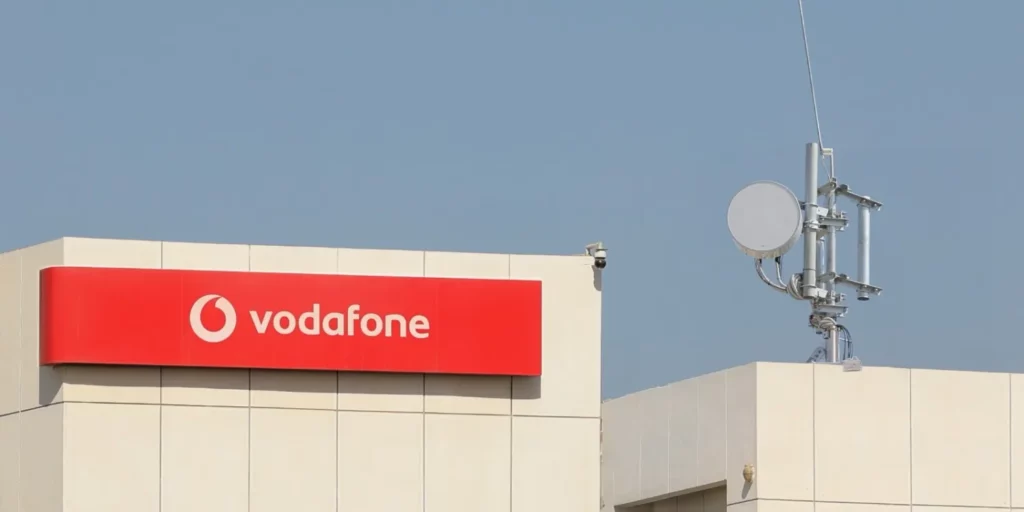
The future of African connectivity just got faster. Much faster. Vodafone Egypt has switched on the world’s first commercial 50Gbps microwave link – adding another powerful layer to our ecosystem of fibre, subsea cables, mobile networks and satellite connectivity transforming Africa’s digital future.
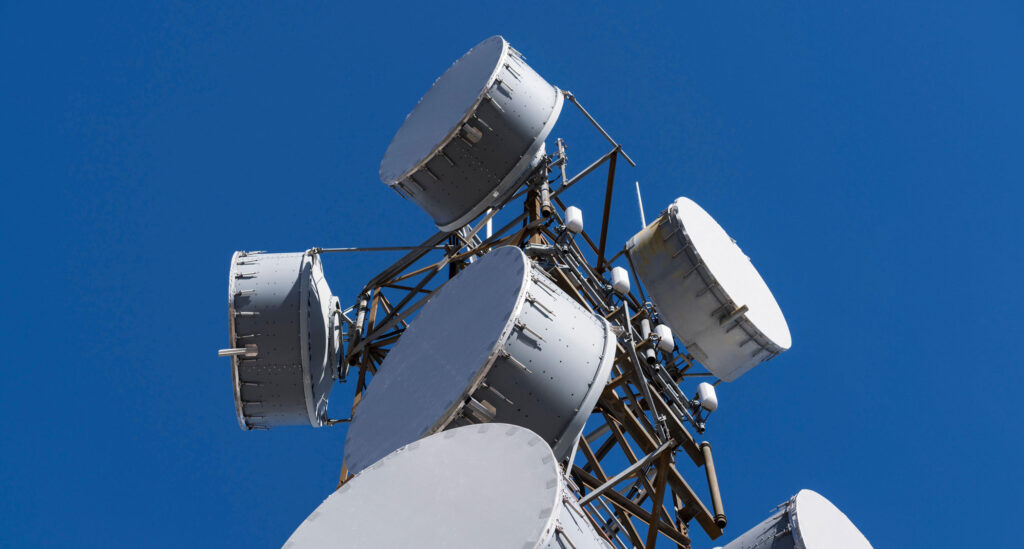
Think of microwave links as invisible motorways that beam data wirelessly between cell towers. Unlike fibre-optic cables that need to be dug into the ground, microwave technology transmits information through the air, making it faster to deploy and far more practical in remote or challenging terrain.
Vodafone Egypt’s new commercial microwave link operates at 50 gigabits per second – the highest capacity and speed ever achieved in microwave technology. It runs on E-Band spectrum, a high-frequency radio band (around 80GHz) that’s less congested than traditional frequencies, enabling faster data transmission over wireless connections.
Catalin Buliga
Chief Technology Officer at Vodafone Egypt
“We are thrilled to be the first to test this advanced global technology for data transmission in Egypt. This achievement reflects our firm commitment to leading the telecommunications market in Egypt and driving technological progress that positions the country as a regional centre for innovation in the Middle East and Africa.”
Impact beyond the numbers
The implications stretch far beyond impressive gigabit figures, accelerating digital transformation in tangible ways. Businesses gain access to cloud services and real-time data. Communities in remote areas where digging trenches for fibre isn’t practical can suddenly access high-speed internet. Disaster recovery becomes faster and more flexible.
It’s the kind of innovation that aligns with our purpose of connecting for a better future. By reducing infrastructure costs and deployment times, microwave technology enables the rapid network expansion needed to bring connectivity to underserved markets.
The 50Gbps link also opens doors for next-generation applications: smart cities, autonomous systems, advanced healthcare, and education platforms that require massive bandwidth and minimal delay. It’s infrastructure that anticipates tomorrow’s possibilities.
A timeline of breakthroughs
Seven years ago – Vodafone and Huawei engineers began exploring whether microwave technology could handle demanding 5G network requirements. Lab tests proved promising: speeds reached 2.7Gbps with impressively low 50-microsecond latency. Engineers then proposed dual polarisation enhancements to push the capacity limits even higher.
2024 – Vodafone Egypt launched a commercial 25Gbps microwave link on E-Band spectrum. The deployment showed that ultra-high-capacity microwave could work in real-world conditions, supporting 5G, cloud computing and IoT at speeds rivalling traditional fibre installations.
Latest – The 50Gbps breakthrough arrived using full-duplex technology on 80GHz E-Band spectrum. Unlike traditional systems, full-duplex enables simultaneous two-way transmission, doubling efficiency while maintaining ultra-low latency and delivering higher data rates over longer distances.
Foundation for a better future
What makes this achievement particularly special is that it’s happening within our own Group. While colleagues in Egypt were solving complex engineering challenges, they were also demonstrating the Spirit of Vodacom – experimenting boldly, collaborating across borders, and delivering customer value through innovation.
As we move further together towards 2030, innovations like these remind us why connectivity matters: it’s the foundation upon which dreams, businesses and futures are built.
Bongi Mbuli, Group Executive Head: Internal Communications, Vodacom Group Sian Singh, Senior Specialist: Internal Communications, Vodacom Group Content contribution: Our thanks to the internal communications teams and representatives from the Vodacom Group of companies One Spirit is edited, designed and published on behalf of Vodacom Group by Media24 (Pty) Ltd
CREDITS
Cover image: Getty Images & Google Gemini Photographs, videos and illustrations: Supplied by Vodacom Group, Getty Images, Google Gemini, Gallo Images & Midjourney
DISCLAIMER
This communication is an internal magazine for employees of the Vodacom Group of companies that is intended solely for use by Vodacom Group employees and authorised representatives. Copyright 2025, Vodacom. All rights reserved. While all precautions have been taken to ensure accuracy of information, neither the editor, publisher nor Media24 can be held liable for any inaccuracies, injury or damage that might occur.
All content, information, artwork and opinions are Classified as C1, as per Cyber Security Restrictions.