From access to impact: Financial Inclusion 2.0 in Mozambique
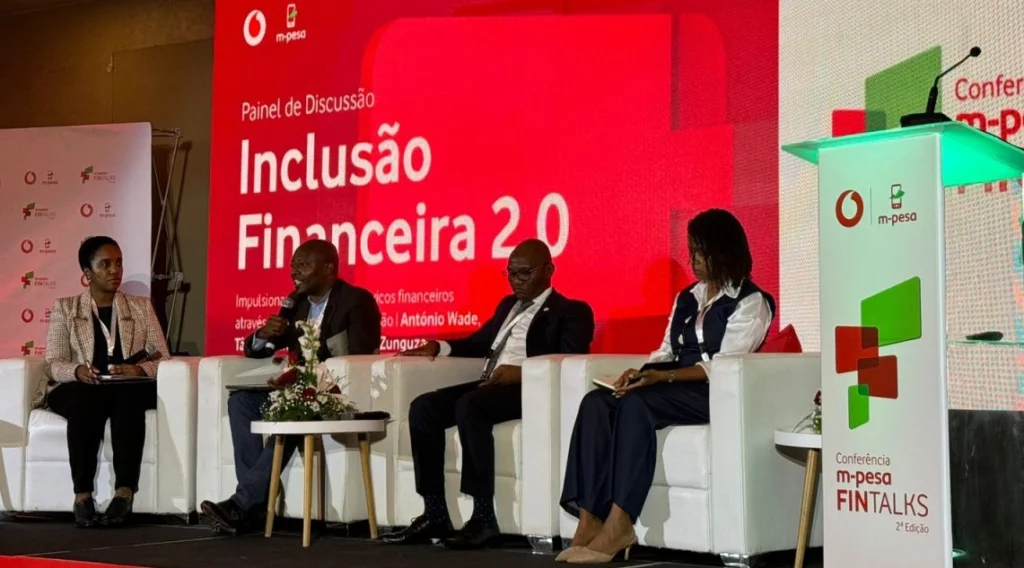
The second edition of the M-PESA FinTalks Conference, themed “Financial Inclusion 2.0”, aimed to enhance financial services in Mozambique. The focus was on collaboration and innovation to create a resilient digital financial ecosystem, ultimately improving the quality of life for Mozambicans.
Don’t be obsessed with technology; be obsessed with solving the problem.
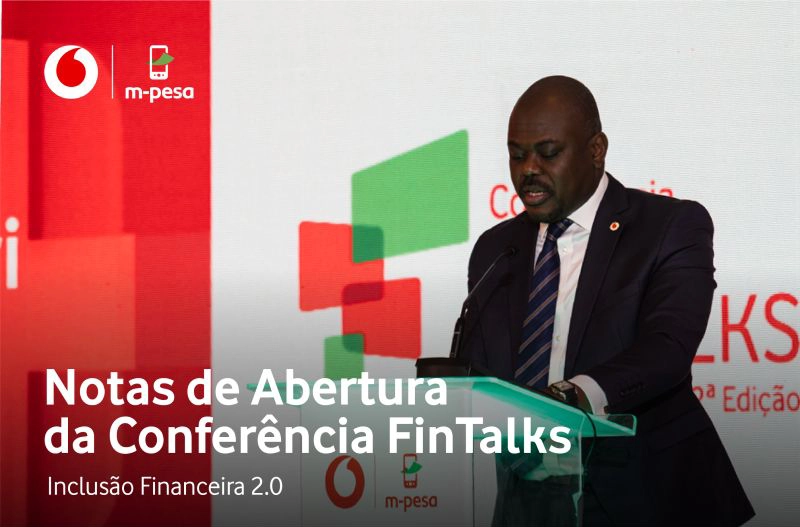
That was the call by Sitoyo Lopokoiyit, MD of M-PESA Africa, at the 2024 Vodacom Mozambique M-PESA FinTalks Conference in Maputo.
As the youngest continent, Africa is brimming with opportunities, Sitoyo said. By 2050, Africa will have a middle class of an estimated 400 million people. Investment into the region is growing, creating a springboard for e-commerce and social commerce. Increasing investments, growing smartphone use and advancements in AI and Big Data are creating new opportunities for e-commerce and social commerce.
The M-PESA FinTalks Conference, held in Maputo on 1 August, served as a vital platform for dialogue, innovation and collaboration aimed at improving financial access and inclusion in Mozambique, with a strong focus on empowering small enterprises, enhancing cybersecurity and fostering a supportive regulatory environment.
Transformation through tech
The conference discussions highlighted the transformative potential of technology in Africa’s fintech sector, emphasising the need for robust cybersecurity measures, collaboration among businesses, understanding customer needs, and the growth of SMEs.
The event went beyond the usual conversations about financial inclusion. As Vodacom and M-PESA, we want to explore new ideas, debate innovative strategies, and above all, find practical ways to implement these ideas.
M-PESA lies at the heart of financial innovation in Africa, as it continues to drive access to credit to a largely underserved market. M-PESA also provides digital solutions for SMEs, empowering them to manage their cashflow anywhere globally solving the payments problem.
This kind of financial inclusion is only possible through collaboration, delegates heard at FinTalks. There is a need to bring everyone together to contribute to Financial Inclusion 2.0, which means inclusion for the real economy, ultimately improving the quality of life for all the people of Mozambique.
Financial Inclusion 2.0: a new era
In recent years, the concept of financial inclusion has evolved significantly, driven by technological advancements and collaborative efforts among various stakeholders. Financial Inclusion 2.0 represents a new era where the focus is not only on providing access to financial services but also on ensuring their effective use to improve the quality of life for individuals, particularly in underserved communities.
Financial inclusion has traditionally been about providing access to basic financial services such as bank accounts, credit and insurance. However, Financial Inclusion 2.0 goes beyond access, highlighting the need for these services to be widely used in ways that positively impact people’s lives. This shift is driven by the recognition that access alone is not enough; the real challenge lies in ensuring that financial services are used effectively to promote economic empowerment and social development.
Collaboration: the key to success
A central theme of the conference was the importance of collaboration among various stakeholders, including financial institutions, fintech companies, regulators and development organisations. Collaboration is essential to create an ecosystem that supports financial inclusion and drives innovation. For instance, partnerships between banks and fintech companies can lead to the development of new financial products and services that cater to the needs of underserved populations.
Technological innovation also plays a crucial role in Financial Inclusion 2.0. Mobile banking, digital wallets and other fintech solutions have revolutionised the way financial services are delivered, making them more accessible and affordable.
The conference showcased several innovative solutions, such as mobile applications that allow users to access pension funds, pay for public transportation and secure loans through digital platforms. These innovations demonstrate the potential of technology to bridge the gap between financial services and underserved communities.
Tackling the gender gap
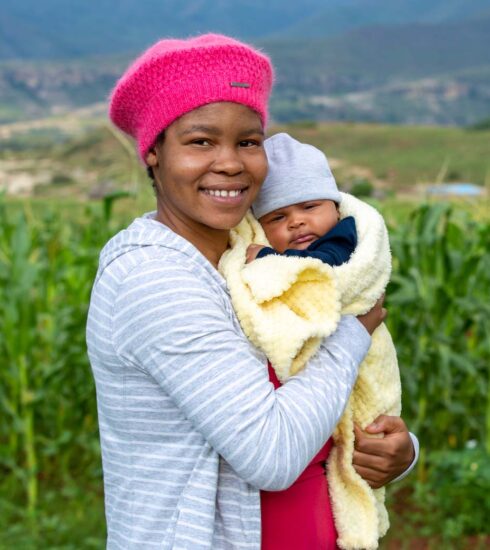
The conference also focused on addressing gender disparities in financial inclusion. Women, especially in rural areas, face unique challenges in accessing and using financial services.
Intentional efforts are needed to design financial products that cater to the specific needs of women and to promote financial literacy among them. For example, the Gender Smart Innovation Facility initiative aims to empower women by providing them with tailored financial products and services, as well as training and support to enhance their financial literacy.
Financial literacy is another cornerstone of Financial Inclusion 2.0. It is essential to educate individuals about the benefits and risks of financial services and to equip them with the skills needed to make informed financial decisions. The conference emphasised the need for comprehensive financial literacy programmes that target different segments of the population, including women, youth and rural communities.
Challenges and opportunities
Despite significant progress in advancing financial inclusion, challenges remain. These include the need for greater interoperability among financial service providers, building trust in digital financial services and addressing infrastructure gaps, particularly in rural areas.
However, these challenges also present opportunities for innovation and collaboration. By working together, stakeholders can develop solutions that address these challenges and drive financial inclusion forward.
Financial Inclusion 2.0 represents a new paradigm in the quest for economic empowerment and social development. By focusing on the effective use of financial services, leveraging technological innovation, and fostering collaboration among stakeholders, Vodacom and M-PESA can create an inclusive financial ecosystem that benefits everyone.
The insights and discussions from the M-PESA FinTalks Conference underscore the importance of intentionality, innovation and collaboration in achieving this vision. As we move forward, it’s crucial to continue these efforts, ensuring that financial inclusion remains a priority and that no one is left behind.
Bongi Mbuli, Group Executive Head: Internal Communications, Vodacom Group Sian Singh, Senior Specialist: Internal Communications, Vodacom Group Content contribution: Our thanks to the internal communications teams and representatives from the Vodacom Group of companies One Spirit is edited, designed and published on behalf of Vodacom Group by Media24 (Pty) Ltd
CREDITS
Cover image: Getty Images & Google Gemini Photographs, videos and illustrations: Supplied by Vodacom Group, Getty Images, Google Gemini, Gallo Images & Midjourney
DISCLAIMER
This communication is an internal magazine for employees of the Vodacom Group of companies that is intended solely for use by Vodacom Group employees and authorised representatives. Copyright 2025, Vodacom. All rights reserved. While all precautions have been taken to ensure accuracy of information, neither the editor, publisher nor Media24 can be held liable for any inaccuracies, injury or damage that might occur.
All content, information, artwork and opinions are Classified as C1, as per Cyber Security Restrictions.