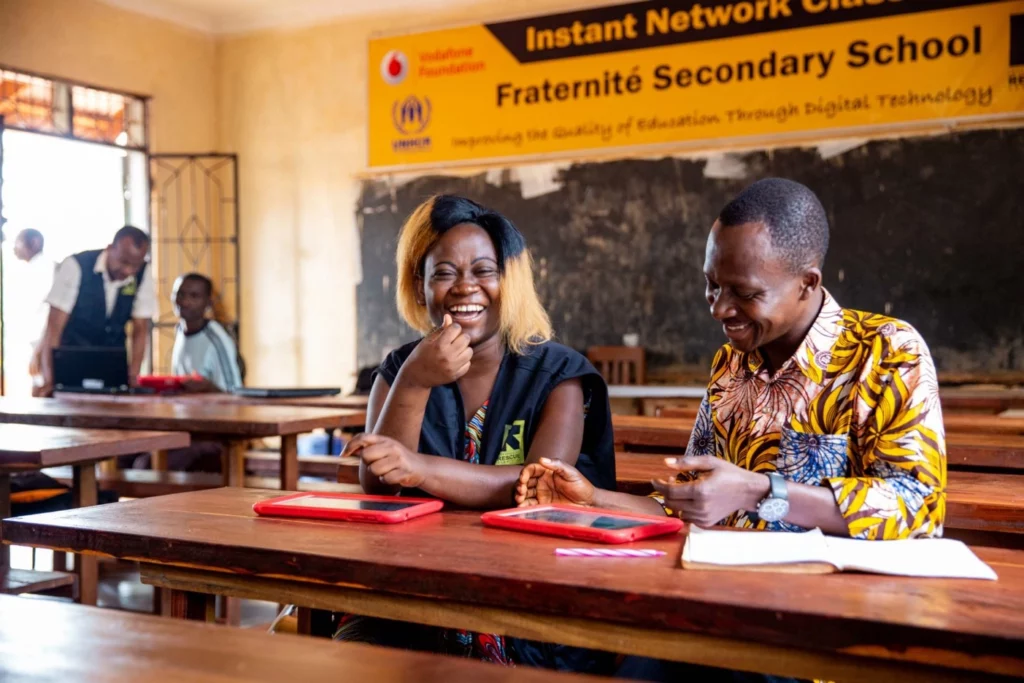
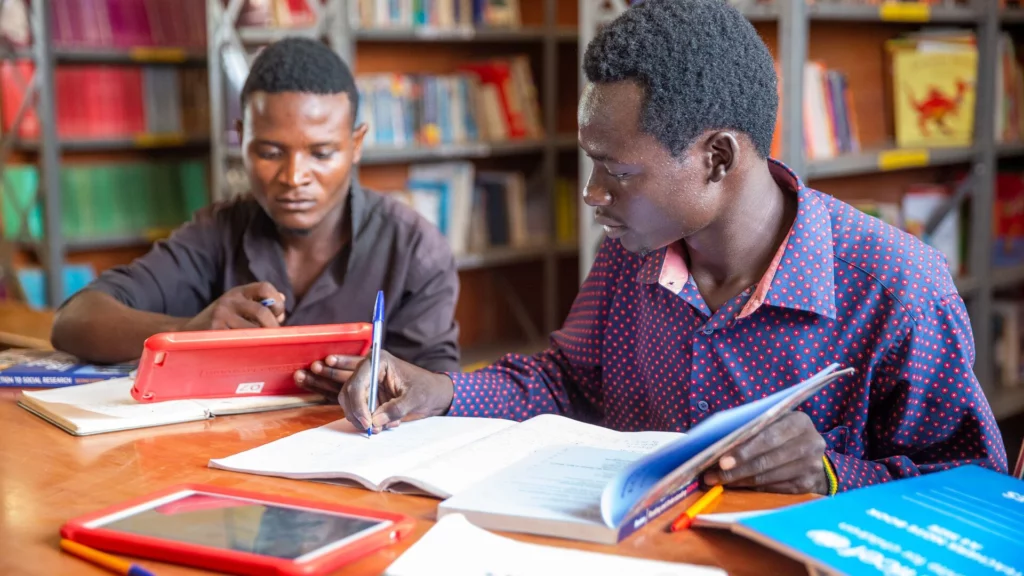
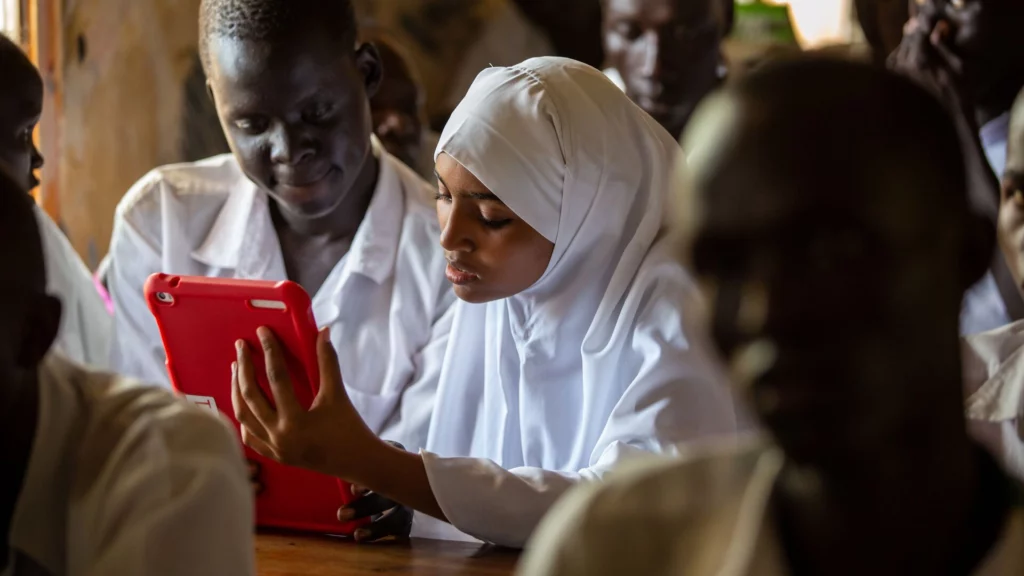
In six African countries, education is being revolutionised. Instant Network Schools, a joint initiative by Vodafone and UNHCR, is bridging the digital divide and providing quality education to thousands of refugees and marginalised communities.
Education is a powerful tool for transforming lives. This is something that Vodafone Foundation understands well, which is why it supports multiple projects to advance education across the African continent.
One such initiative is Instant Network Schools. Set up in 2013 by Vodafone Foundation and UNHCR, the UN Refugee Agency, Instant Network Schools gives young refugees, host communities, and their teachers access to digital learning content and the internet, improving the quality of education in some of the most marginalised communities in Africa.
Vodafone Foundation has partnered with Safaricom, Vodacom Mozambique and Vodafone Egypt, among others, whose generous in-kind contributions make the Instant Network Schools programme possible.
The programme hosts global and national content in local languages, providing tailored educational learning materials to hundreds of thousands of young people.
Impact across the continent
There are 118 Instant Network Schools currently operating across six countries, including five of our Vodacom Group markets: Kenya, Tanzania, the Democratic Republic of the Congo, Mozambique, Egypt, as well as South Sudan.
Focus on educational outcomes
Vodacom wants to play a key role in helping to advance education initiatives given the learning challenges still facing many African countries.
“It is unfortunate that for many children and young people across Africa, quality education remains out of reach,” says Shameel Joosub, Vodacom Group CEO.
“While access to education has expanded since the 1960s, a closer look at the numbers reveals that increasing access to education doesn’t necessarily equate to an improvement in its quality. In fact, at present, there are worrying signs that education in Africa is stagnating, and, in some cases, even regressing […]
“As such, access to education may have improved across Africa, but educational outcomes have not. However, setting bold objectives is only the first step,” Shameel says. “We need to action them to achieve these goals.”
Leaving no one behind
From interactive textbooks to online exercises and videos, Instant Network Schools provide engaging, exciting content that ensures nobody is left behind with their education. The programme addresses refugees’ education resource needs by effectively transforming classrooms into multimedia hubs.
To date, the programme has benefited more than 274 288 students and 4 705 teachers, ensuring that refugees and children from the communities that host them have access to accredited, quality and relevant learning opportunities.
At the 2023 Global Refugee Forum, Vodafone Foundation and UNHCR confirmed that Instant Network Schools would expand into 26 additional schools in 2024. The programme aims to connect 500 000 refugee students and their communities to a quality digital education by 2025.
Powerful impact on learning
A 2019 impact assessment confirms the positive impact the Instant Network Schools programme is having on refugees’ learning outcomes, including:
A 61% increase in digital literacy for students
A 125% increase in digital literacy for teachers
Improved academic performance
Increased school attendance
Increased student and teacher motivation
Broadened interest in higher education and career aspirations.
The digital divide
Like our parent company Vodafone, Vodacom believes that giving more Africans access to quality education will help create a better shared future.
“If we are to expand the scale and impact of digital education, we have to ensure universal and reliable access to electricity, improve teacher training in ICT, address gender discrimination and language barriers and make sure that technical support is more readily available,” Shameel says. “Most critical of all is to close the digital divide.”
Joakim Reiter, a Vodafone Foundation Trustee and Chief External and Corporate Affairs Officer for Vodafone Group, agrees. “Education is essential for children to create a better future for themselves,” he says.
“We therefore want to continue our educational partnership with UNHCR and other corporate and government partners to deliver long-term improvement for refugees and their host communities.
“There are over 110 million people in the world who have been forced to flee their homes – more than ever before. Forty per cent of those refugees are under 18. Support for refugee education is needed more than ever before.”
Expanding to do more
To help tackle some of these critical challenges across Africa, the Instant Network Schools programme is constantly expanding:
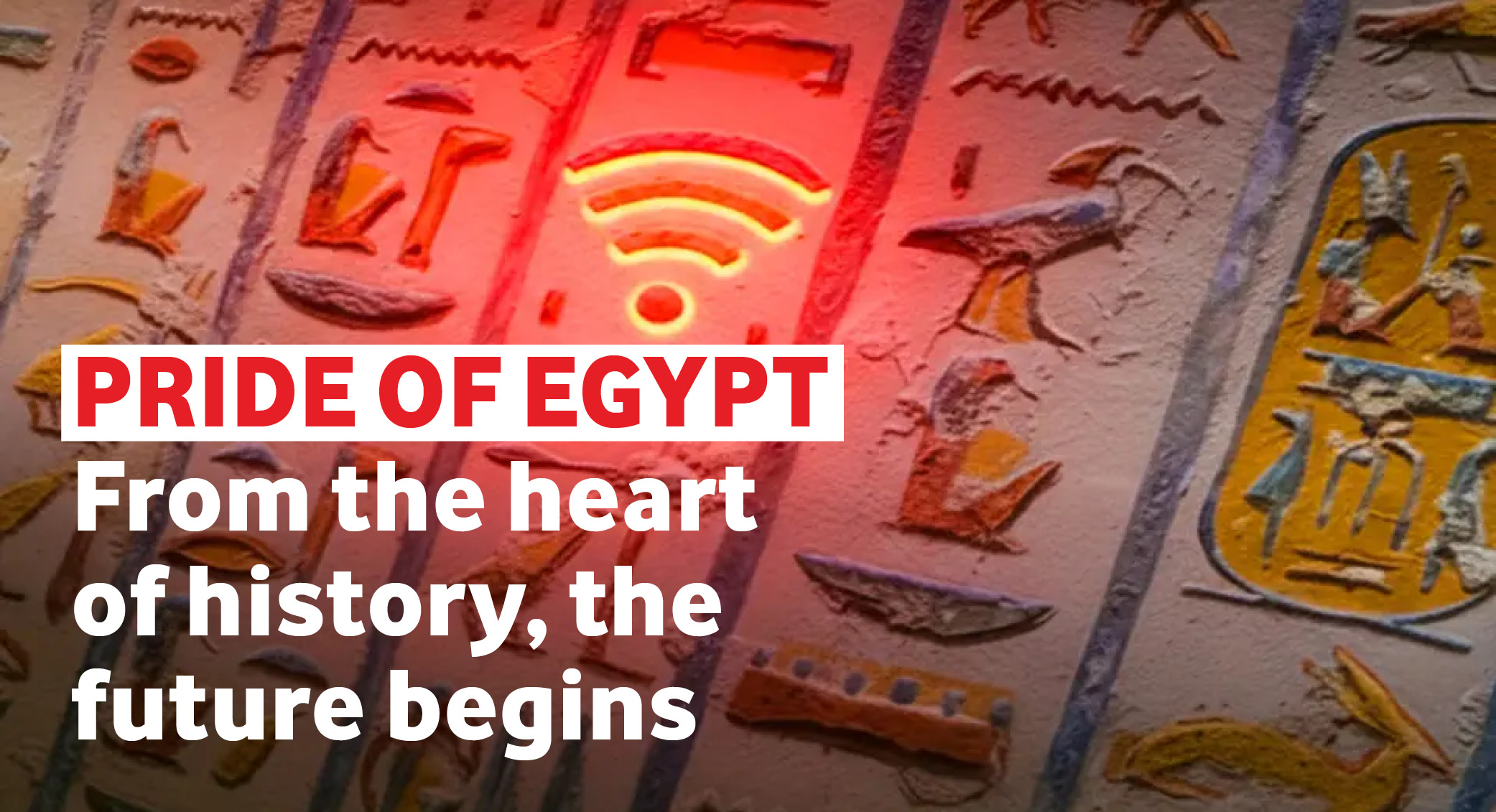
In Egypt, Vodafone and UNHCR will open a further 22 Instant Network Schools classrooms by October 2024, the beginning of the next school year. Those schools will have the capacity to support an additional 44 000 learners a year. Since 2021, UNHCR and Vodafone Foundation have been working with Egypt’s Ministry of Education to provide Instant Network Schools classrooms in 48 of the country’s refugee-hosting public schools. To date, 46 000 students and 1 200 teachers have benefited from the programme in Egypt.
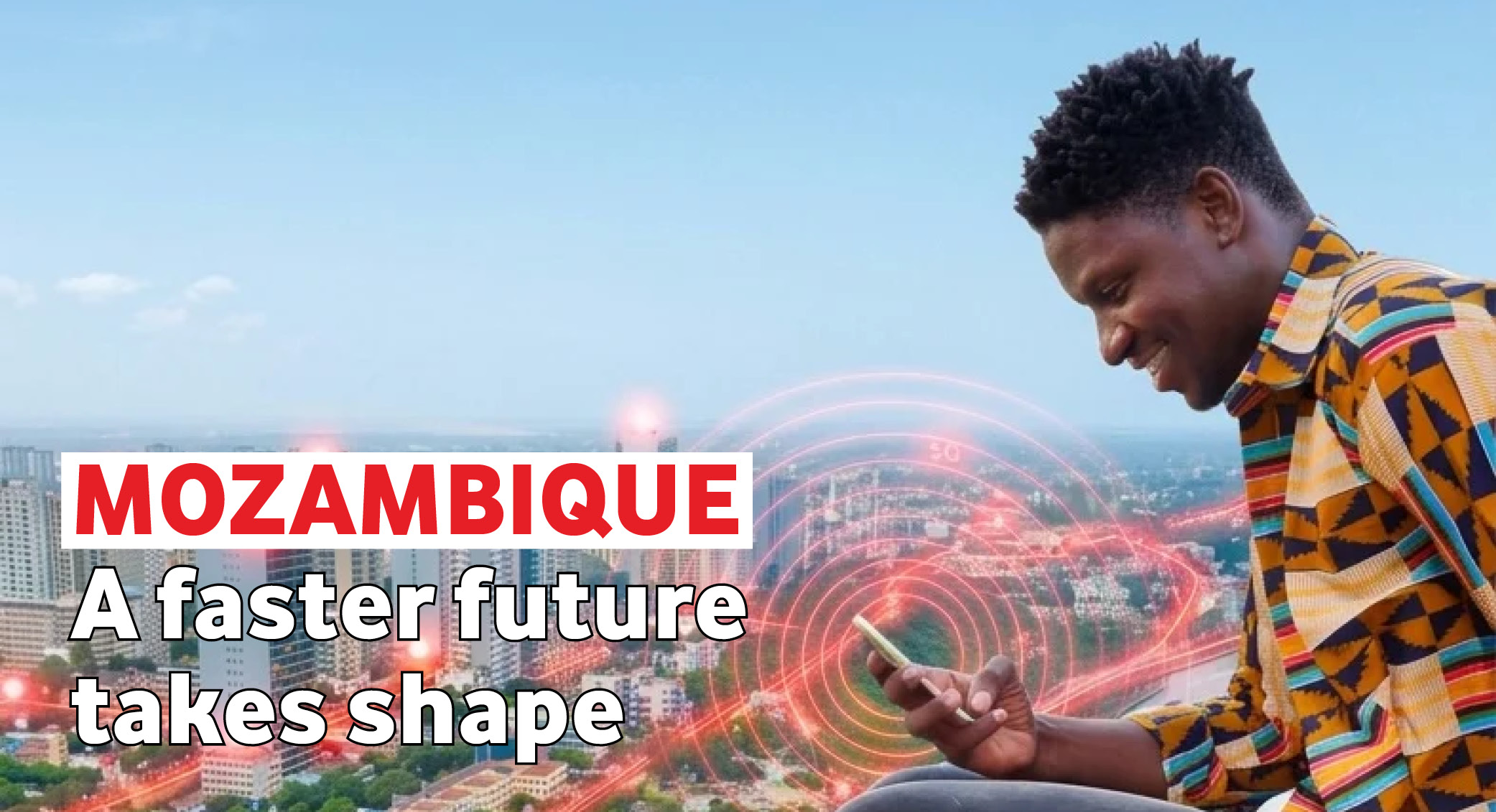
There will also be four new schools in the Nampula region of Mozambique in 2024. Set in schools run by the country’s Ministry of Education, the new digital classrooms are expected to benefit around 8 000 students per year. There are currently 15 Instant Network Schools in Mozambique, which have supported over 67 000 learners to date and provided training in digital skills for around 1 400 teachers.
A detailed study is being commissioned this year to map Ethiopia’s educational needs and requirements against Vodafone’s current and planned network coverage. The study will be used for the subsequent delivery of digital education tools in the country.
Bongi Mbuli, Group Executive Head: Internal Communications, Vodacom Group Sian Singh, Senior Specialist: Internal Communications, Vodacom Group Content contribution: Our thanks to the internal communications teams and representatives from the Vodacom Group of companies One Spirit is edited, designed and published on behalf of Vodacom Group by Media24 (Pty) Ltd
This communication is an internal magazine for employees of the Vodacom Group of companies that is intended solely for use by Vodacom Group employees and authorised representatives. Copyright 2026, Vodacom. All rights reserved. While all precautions have been taken to ensure accuracy of information, neither the editor, publisher nor Media24 can be held liable for any inaccuracies, injury or damage that might occur.
All content, information, artwork and opinions are Classified as C1, as per Cyber Security Restrictions.