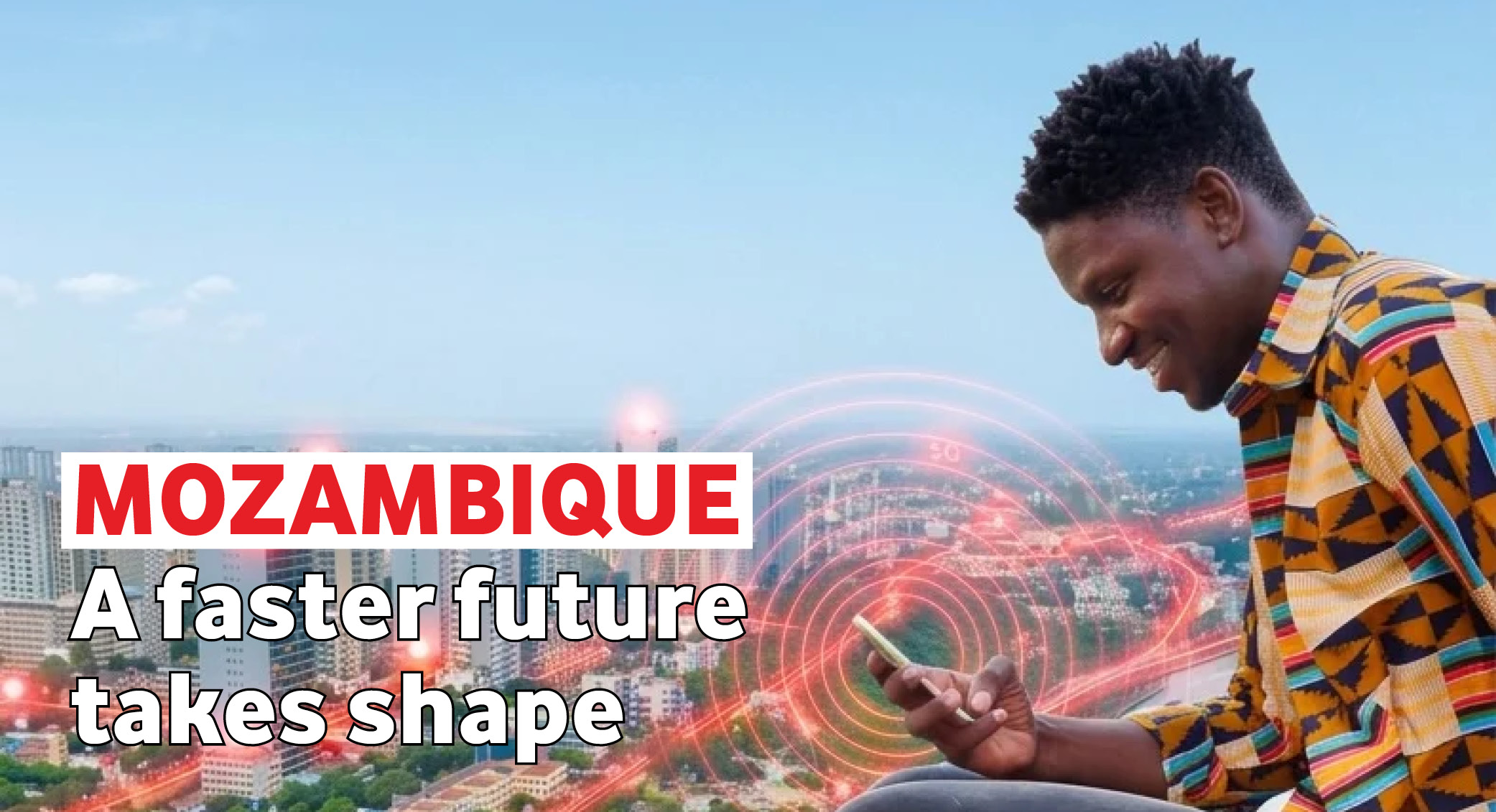
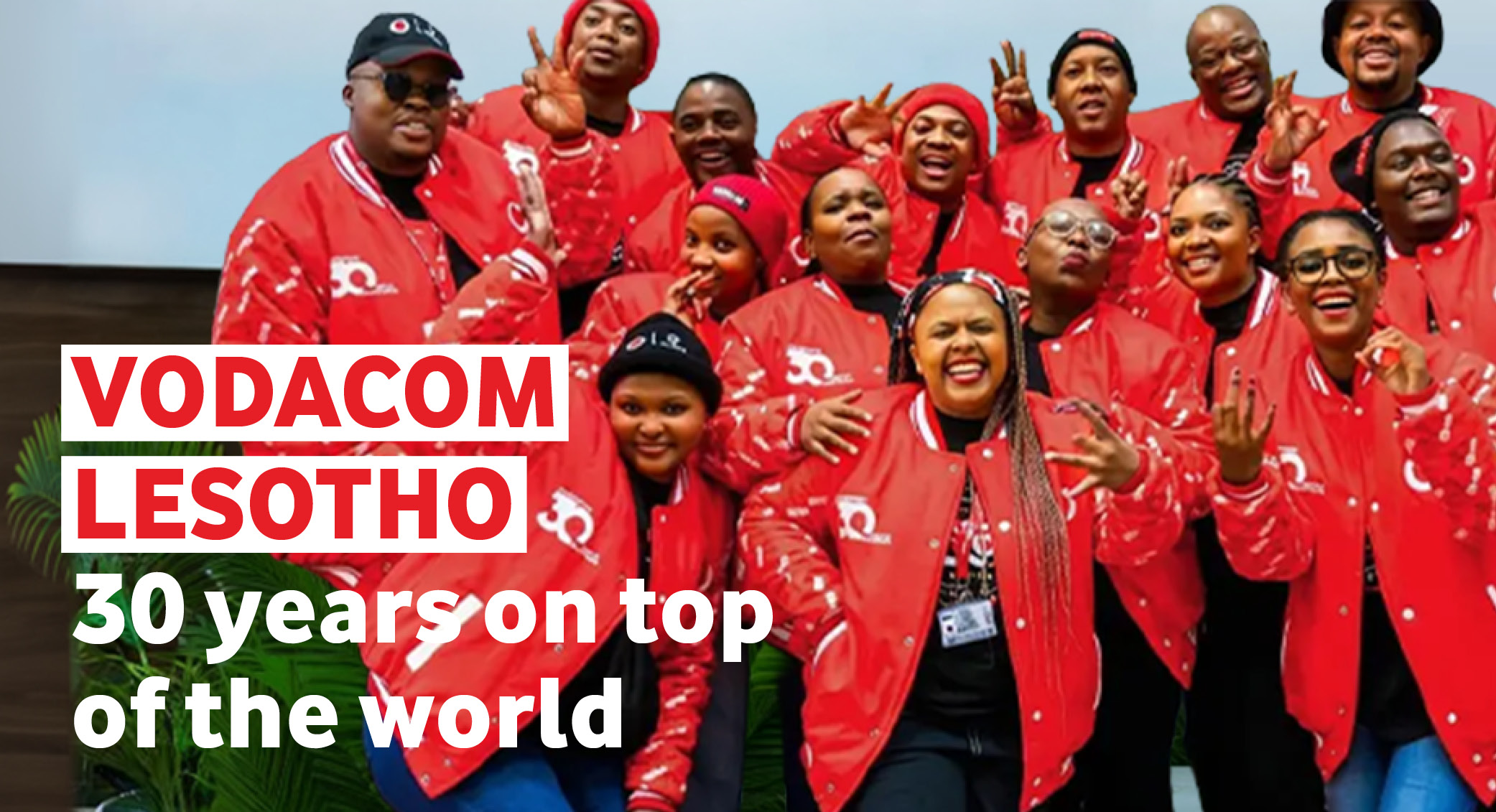
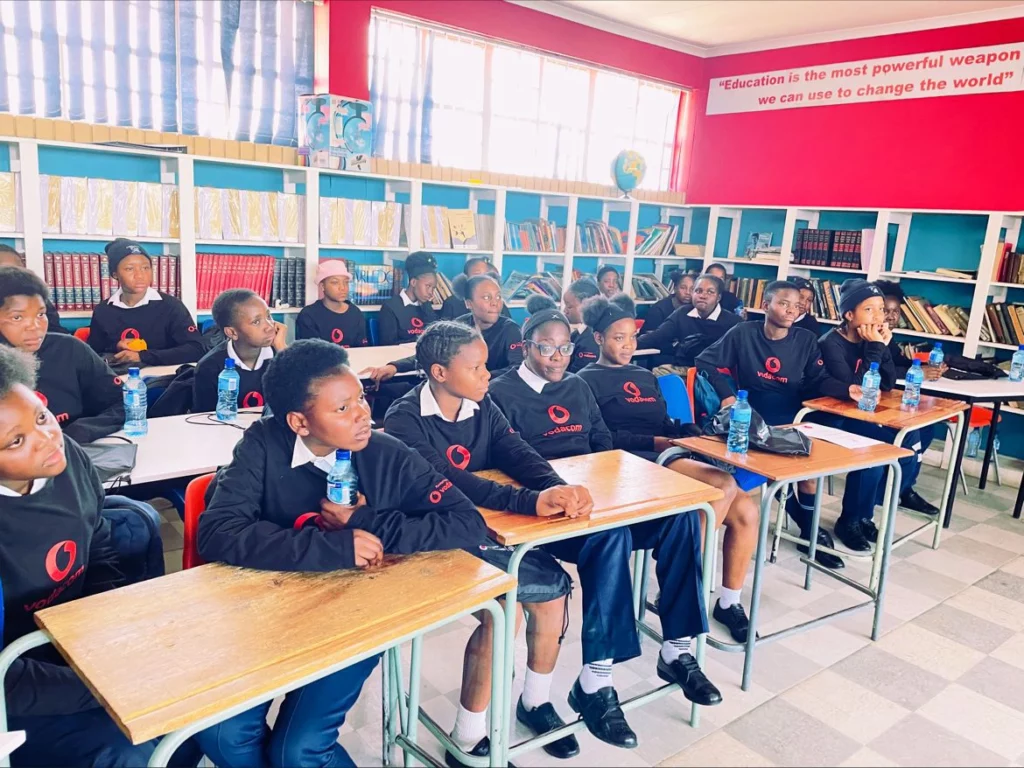
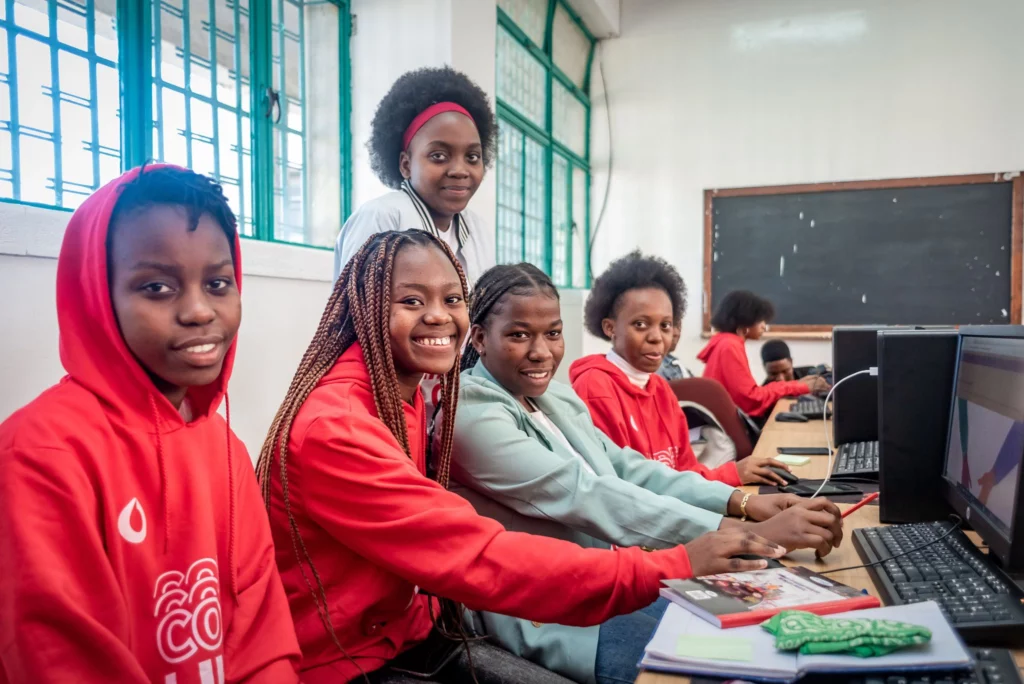
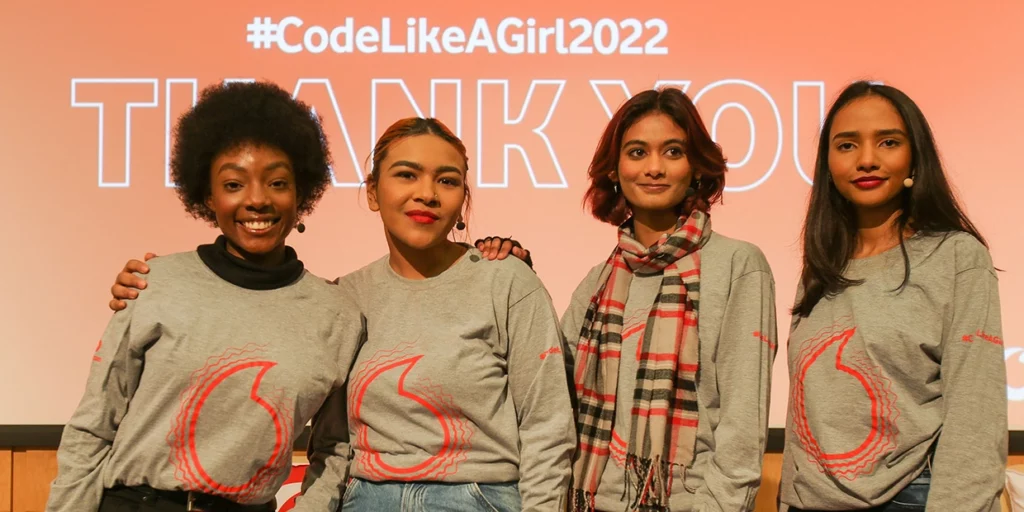
The Vodacom #CodeLikeAGirl initiative has gained immense popularity since launching in South Africa in 2017, inspiring young girls to venture into the fields of science, technology, engineering and mathematics (STEM). The initiative has successfully expanded to Mozambique, Tanzania, the Democratic Republic of the Congo and Lesotho.
#CodeLikeAGirl not only teaches coding but also imparts essential technology and life skills. By the end of this financial year, the initiative will have empowered over 10 000 underprivileged girls.
As part of Vodacom’s Early Careers Programme, #CodeLikeAGirl contributes to building a more digital, inclusive and sustainable future on the continent. It tackles the low representation of women in STEM education through a structured educational programme targeting underprivileged girls.
The initiative introduces underprivileged girls to coding basics and career paths related to current and future skills gaps while also building a talent pipeline that speaks to current and future skills needs.
In the past financial year alone, we have trained 2 451 girls in South Africa, the largest intake since #CodeLikeAGirl’s inception seven years ago. The aim is to reach another 3 000 girls this financial year through on-site and virtual bootcamps.
Helping girls overcome barriers
“We are extremely proud of the impact of #CodeLikeAGirl, which is popularising coding among girls and enabling diversity and inclusivity in STEM, which has been a traditionally male-dominated environment,” says Njabulo Mashigo, Human Resources Director at Vodacom South Africa.
“Through our #CodeLikeAGirl programme, we are providing girls with an opportunity to grow through digital education and overcome barriers, such as gender stereotypes preventing them from achieving their potential.”
The gender gap in STEM remains a pressing issue globally. According to the World Economic Forum, women constitute only 28.2% of all STEM workers compared to 47.3% in non-STEM sectors. The gap is even wider at a leadership level, with just over 10% of STEM leadership roles held by women. Reasons for this exclusion include gender bias, lack of career opportunities and shortage of visible role models to aspire to.
To address this disparity, #CodeLikeAGirl targets girls aged between 14 and 18 years old from all backgrounds, teaching them coding, robotics and other ICT skills, including HTML, CSS, GitHub, version control and JavaScript. Participants are also exposed to life skills development and authoritative mentors to nurture confidence and provide a support network.
Perpetual growth
Initially hosted at schools, #CodeLikeAGirl has transformed to offer both on-site and virtual bootcamps, enabling increased participation. The Virtual Bootcamp, which only requires access to a computer and internet connectivity, is currently live with over 300 girls registered on Vodacom’s Learner Management System.
#CodeLikeAGirl has also been revamped into an accredited five-level academy approach, with a certification that enables long-term career opportunities for beneficiaries while building a pipeline of talent for Vodacom. Girls who commit to all levels of the initiative have better prospects of being chosen for Vodacom’s Mainstream Bursary Programme and transitioning into the company’s early career initiatives, which can lead to permanent roles at the organisation.
“Often referred to as the jobs of the future, STEM is critical to drive innovation, social well-being, economic growth, and sustainable development,” says Njabulo.
“As a company within the STEM industry, Vodacom must do its part to dispel gender inequalities and foster a diverse talent pool through inclusive initiatives such as #CodeLikeAGirl. Empowering more women will help shape our future for the better.”
By empowering young girls through #CodeLikeAGirl and other Early Careers initiatives, Vodacom is playing a crucial role in shaping a more inclusive and innovative future.
Focus on Vodacom’s Early Careers Programme
#CodeLikeAGirl, a component of Vodacom’s Early Careers Programme,reflects our commitment to supporting youth development in South Africa, while creating an inclusive digital society by nurturing emerging talent in STEM through employment and education opportunities.
“As Vodacom celebrates connecting South Africans over the past three decades, we are also looking towards the future and how we can continue to use our capabilities in building an inclusive digital society,” says Njabulo.
“Supporting digital skills development and diversity in STEM is critical to this ambition, especially among our youth, who face an evolving employment landscape dependent on digital technology. Our Early Careers programmes provide life-changing opportunities that empower young people to pave a path in a digital world.”
The Early Careers opportunities also include the Discover Graduate Programme, which is designed for future leaders and offers graduates a holistic experience of working at Vodacom, such as mentorship, coaching, and on-the-job training, all while earning a full salary. After two years, participants can transition into a destination role within the organisation.
The Vodacom Early Careers Internship Programme provides valuable work experience at the company through a paid 12-month fixed-term contract for graduates.
Statistics from our Early Careers Programme for the 2023/2024 financial year include:
Awarded bursaries to 183 youth pursuing an academic degree, 69 of which went to students with disabilities.
A total of 176 jobless youth were given work experience chances through our internship and learnership programmes; Vodacom hired 56 of them into our permanent workforce structure.
The flagship Discover Graduate Programme provided permanent employment to 57 graduates.
“Our Early Careers initiatives demonstrate our commitment to creating a people-centric, progressive, diverse and inclusive organisational culture, resulting in our recognition as the number one Top Employer in South Africa,” says Njabulo.
“Importantly, we are fulfilling our purpose to drive digital inclusion, enable sustainable socio-economic development and contribute to a brighter future for our youth and our country.”
Bongi Mbuli, Group Executive Head: Internal Communications, Vodacom Group Sian Singh, Senior Specialist: Internal Communications, Vodacom Group Content contribution: Our thanks to the internal communications teams and representatives from the Vodacom Group of companies One Spirit is edited, designed and published on behalf of Vodacom Group by Media24 (Pty) Ltd
This communication is an internal magazine for employees of the Vodacom Group of companies that is intended solely for use by Vodacom Group employees and authorised representatives. Copyright 2026, Vodacom. All rights reserved. While all precautions have been taken to ensure accuracy of information, neither the editor, publisher nor Media24 can be held liable for any inaccuracies, injury or damage that might occur.
All content, information, artwork and opinions are Classified as C1, as per Cyber Security Restrictions.