Built in Kenya: how local assembly lowers phone costs
A smartphone opens the door to money, learning, work, business and connection. But even entry-level 4G devices remain expensive. In Athi River, a Kenyan production line is helping tackle one practical barrier to digital inclusion: the cost of smartphones.
Production closer to home
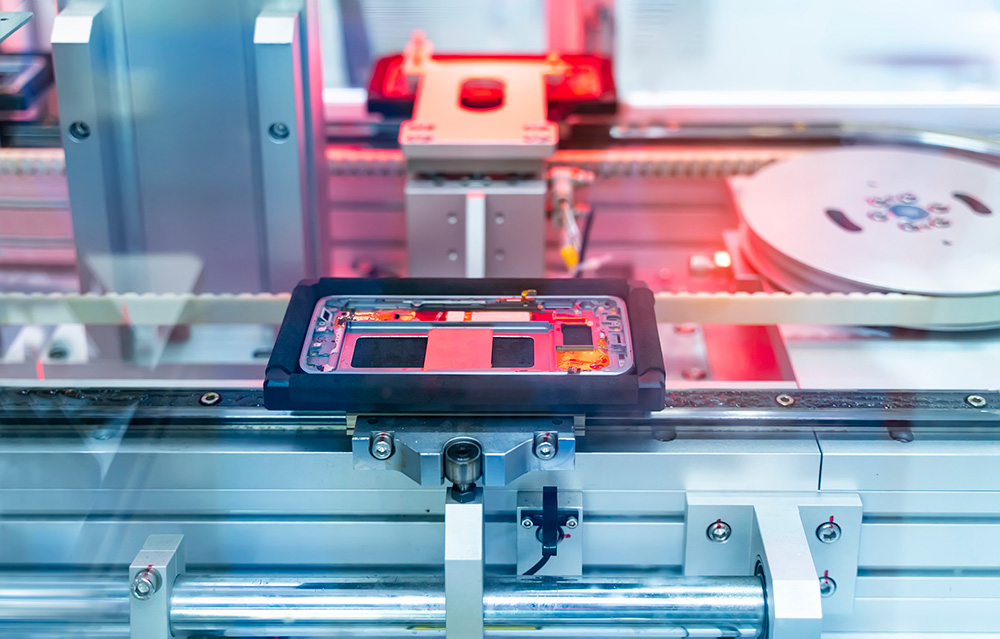
Inside East Africa Device Assembly Kenya Limited, better known as EADAK, components are assembled, tested, loaded with relevant software and prepared for the shop counters and agents where customers make real choices about what they can afford.
Assembling devices in Kenya reduces reliance on fully imported finished handsets and creates more room to manage cost, availability and product fit. Local assembly has reduced device costs by up to 30%, with locally assembled 4G smartphones retailing from about US$50, or 7 499 Kenyan shillings.
FY2026 smartphone penetration tracker
Vodacom Group, including Safaricom, reached 132.9 million smartphone users, up 16.5% year-on-year
Group smartphone penetration reached 68.6%, with a Vision 2030 ambition of more than 75% by FY2030
Kenya’s smartphone penetration is ahead of the Group average, at 83.1%
Every layer in the process adds a cost, which is why the EADAK plant should be seen alongside other affordability tools. Device subsidies and prepaid financing models such as Easy2Own help with cash flow, refurbished device initiatives like Good as New help extend device life and reduce e-waste, and bundled offers solve a different part of the same cost challenge.
Five reasons local assembly matters
Reduces reliance on fully imported finished devices
Brings assembly, testing and software preparation closer to customers
Supports availability of entry-level 4G devices
Builds local technical skills and manufacturing experience
Works best with financing, subsidies, low-cost sourcing and refurbished-device programmes
Inside the plant
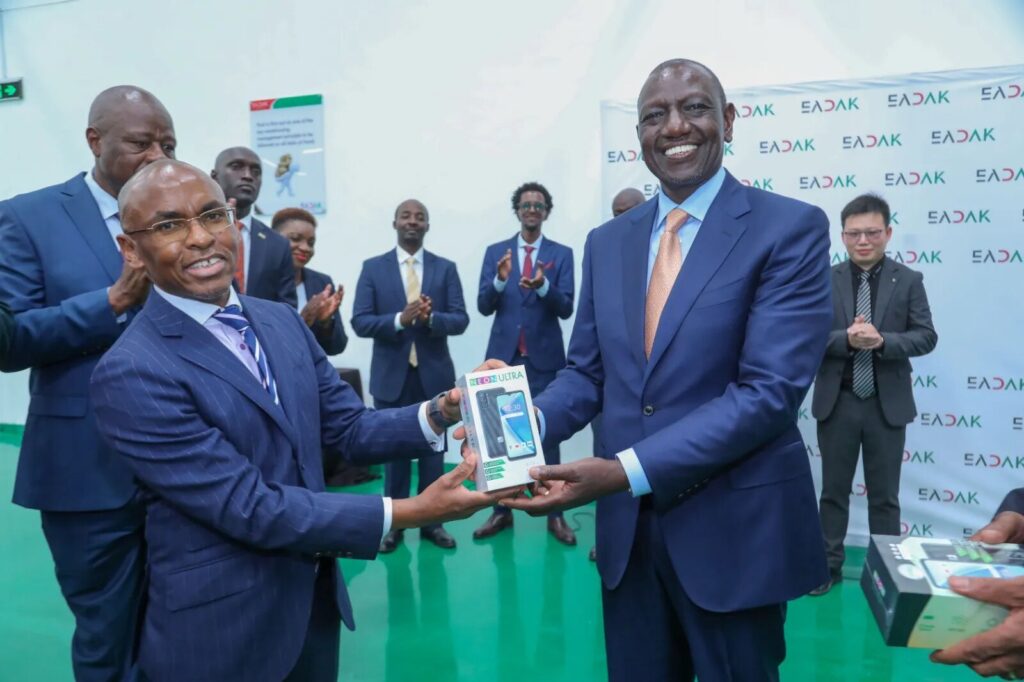
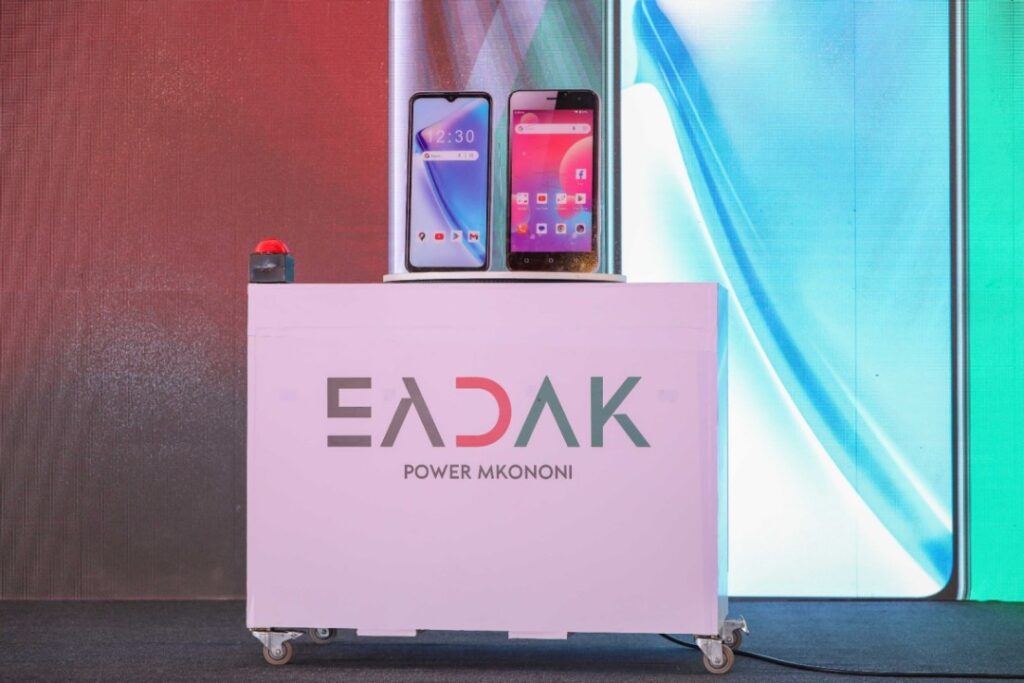
Component kits and manufacturing support are brought into the EADAK facility. The range includes the Neon Smarta 5-inch and Neon Ultra 6.5-inch 4G smartphones, as well as tablets and KYC devices that support digital onboarding. These are not luxury devices. They are reliable 4G smartphones that can help a customer use platforms and applications like M-PESA with more confidence.
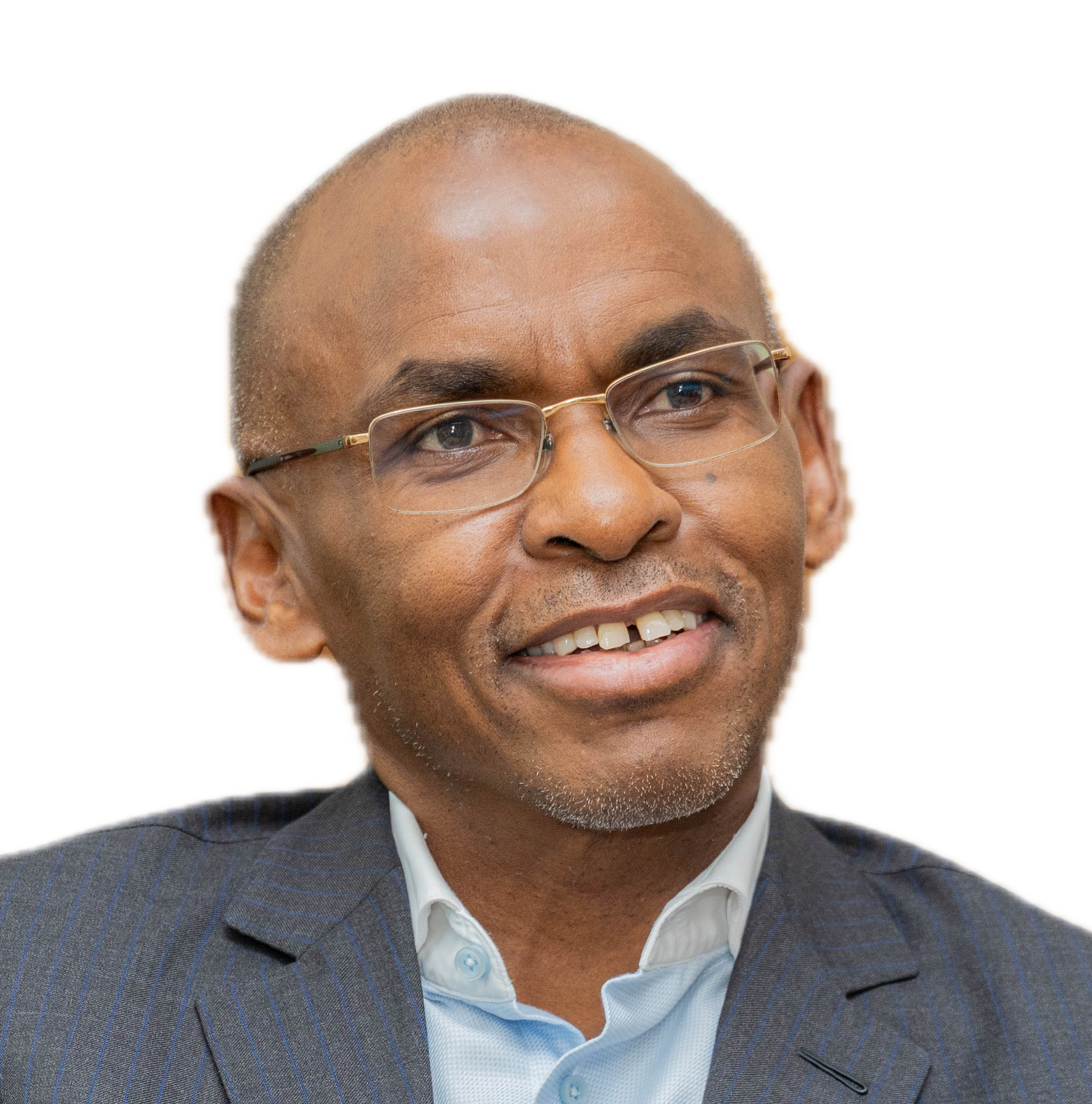
Peter Ndegwa
CEO of Safaricom
“The launch of EADAK reaffirms our belief in the power of connectivity to transform lives and drive economic progress. This partnership underscores our relentless pursuit to expand 4G access and empower Kenyans through affordable, high-quality smartphones, create employment opportunities and grow our economy.”
What we’ve learnt from EADAK
At launch, the ambition of EADAK was not only to assemble phones, but also to develop technical skills and, over time, deepen local supply-chain participation. Today, much of Africa’s device cost challenge is shaped outside the continent, from component cycles to global freight disruptions.
Local assembly gives markets operational learning, supplier relationships, quality-control experience and a base from which to explore local value creation. What EADAK does is show just how targets in Vision 2030 can be brought to life, chipping away at the cost to consumers one layer at a time.
Why do phones cost what they do? Find the answers here.
Bongi Mbuli, Group Executive Head: Internal Communications, Vodacom Group Sian Singh, Senior Specialist: Internal Communications, Vodacom Group Content contribution: Our thanks to the internal communications teams and representatives from the Vodacom Group of companies One Spirit is edited, designed and published on behalf of Vodacom Group by Media24 (Pty) Ltd
CREDITS
Cover image: Getty Images & Adobe Firefly Photographs, videos and illustrations: Supplied by Vodacom Group, Adobe Stock, Adobe Firefly, Gallo Images, Getty Images & Google Gemini
DISCLAIMER
This communication is an internal magazine for employees of the Vodacom Group of companies that is intended solely for use by Vodacom Group employees and authorised representatives. Copyright 2026, Vodacom. All rights reserved. While all precautions have been taken to ensure accuracy of information, neither the editor, publisher nor Media24 can be held liable for any inaccuracies, injury or damage that might occur.
All content, information, artwork and opinions are Classified as C1, as per Cyber Security Restrictions.