From Code Like a Girl to cybersecurity: Zai’s Vodacom journey
At 16, Zainaaz Hansa paid for a developer licence and put more than 500 past exam papers in learners’ hands. Today, the Code Like a Girl alumna is back at Vodacom, helping protect the digital future she once coded for.
For Zainaaz, who also goes by Zai, technology has always been practical before it was impressive: a tool for access, confidence and change. Her journey from young app builder to Vodacom cybersecurity graduate is a story of what happens when opportunity comes full circle.
Building what learners needed
“It wasn’t about building just to build,” she says of the Android app she published at 16. “It was about building to solve something real to me and to other people around me.” That early project hosted more than 500 past exam papers across grades and subjects. She invested in a Google Play developer licence, put the app into the world and watched it trend on the Play Store. It was her first real experience of building something people could use at scale – and of the responsibility that comes with it.
The Code Like a Girl turning point
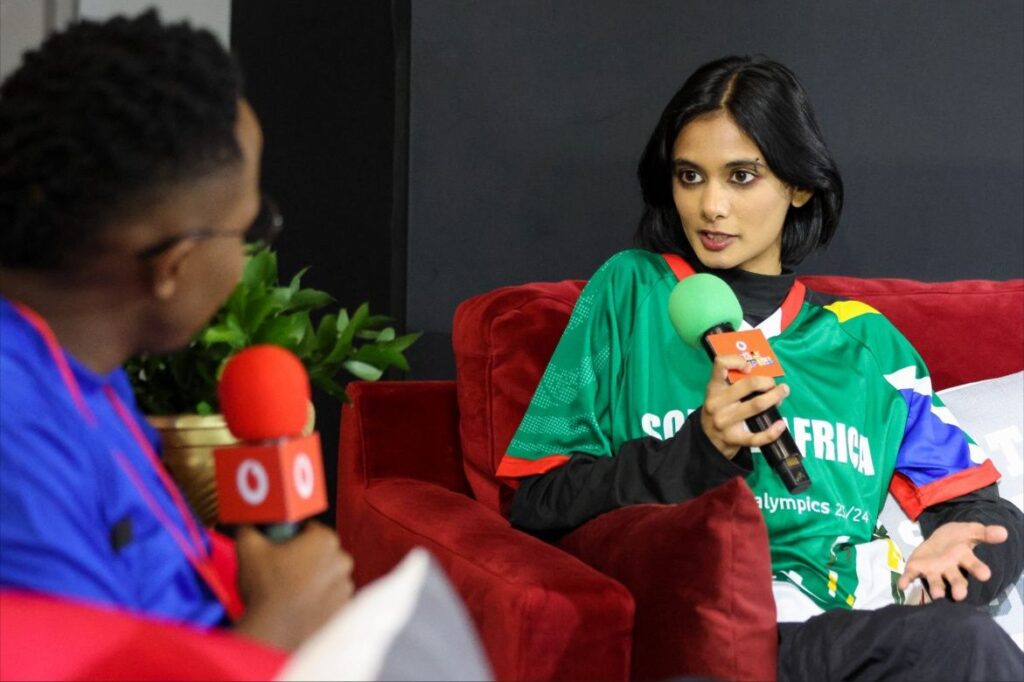
That instinct, to make technology useful, carried Zainaaz into Vodacom’s orbit through Code Like a Girl in 2021. She won that iteration of the programme and later received a Vodacom bursary, a moment she remembers not only as recognition, but as relief. “I was honestly in disbelief,” she says. In the aftermath of COVID-19, with her father recently retrenched, the bursary changed the weight of what was possible. “After receiving the announcement, it really felt like a massive weight lifted off my shoulders.”
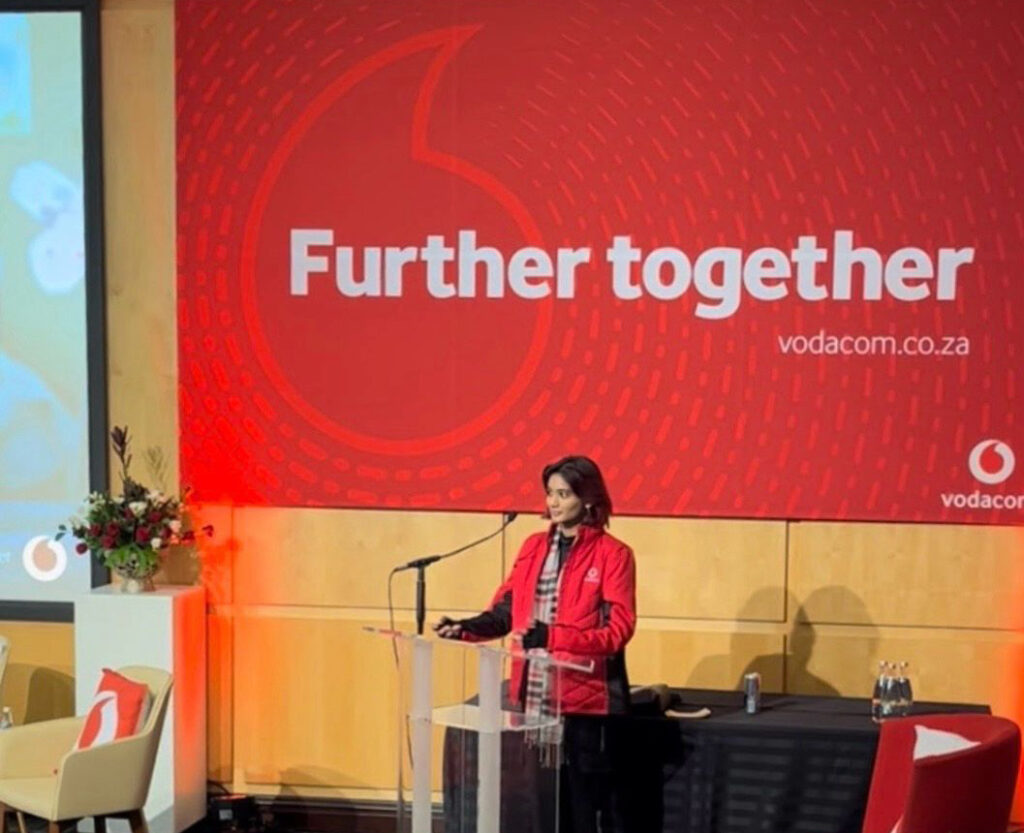
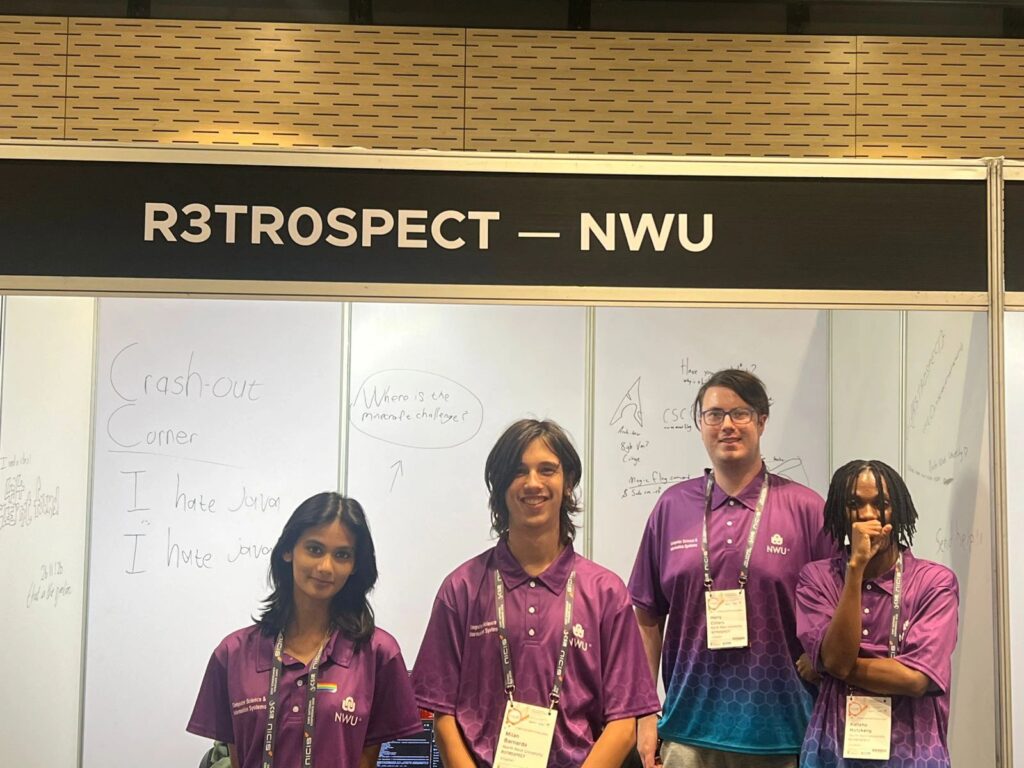
Today, that story has come back to where it began. Zainaaz is now part of Vodacom’s graduate community, working in cybersecurity and DevSecOps. It’s a field she discovered more formally through a Vodacom hackathon, where conversations with cyber teams opened a new path for her academic and professional interests. “Full circle means coming back to where it all began, but now with the capacity to give back,” she says.
Why cybersecurity is human work
That full-circle journey matters because it reflects something bigger than one career path. Vision 2030 is about building a future where technology, connectivity and digital services help more people participate in the opportunities around them. For employees across Vodacom Group’s markets, that future will depend not only on networks and platforms, but on the people who understand why they are being built.
Cybersecurity is one of those areas where the human purpose can be easy to miss. To many people, it sounds technical, hidden behind systems and acronyms. But for Zainaaz, security is part of trust. As more of life moves online – from learning and payments to work and public services – the ability to protect people, data and digital infrastructure becomes essential. “AI can generate code, but it can also introduce risks at scale,” she says. “That’s where cybersecurity becomes essential.”
Her interest in the human side of technology runs deep. Alongside software, robotics and cyber, she’s drawn to digital anthropology: the study of how people live with, adapt to and are shaped by technology. It’s a useful lens for a business that serves millions of customers across different countries, languages and daily realities. Good technology, in this view, is not simply clever. It is relevant, ethical and grounded in real lives.
Representation that opens doors
Zainaaz has also learnt what representation can unlock. At school, she became the first woman of colour in 12 years to receive the Cum Laude white blazer, an achievement that carried personal meaning beyond the award itself. It was a signal that excellence can make space, and that visibility can become a form of permission for those who come next.
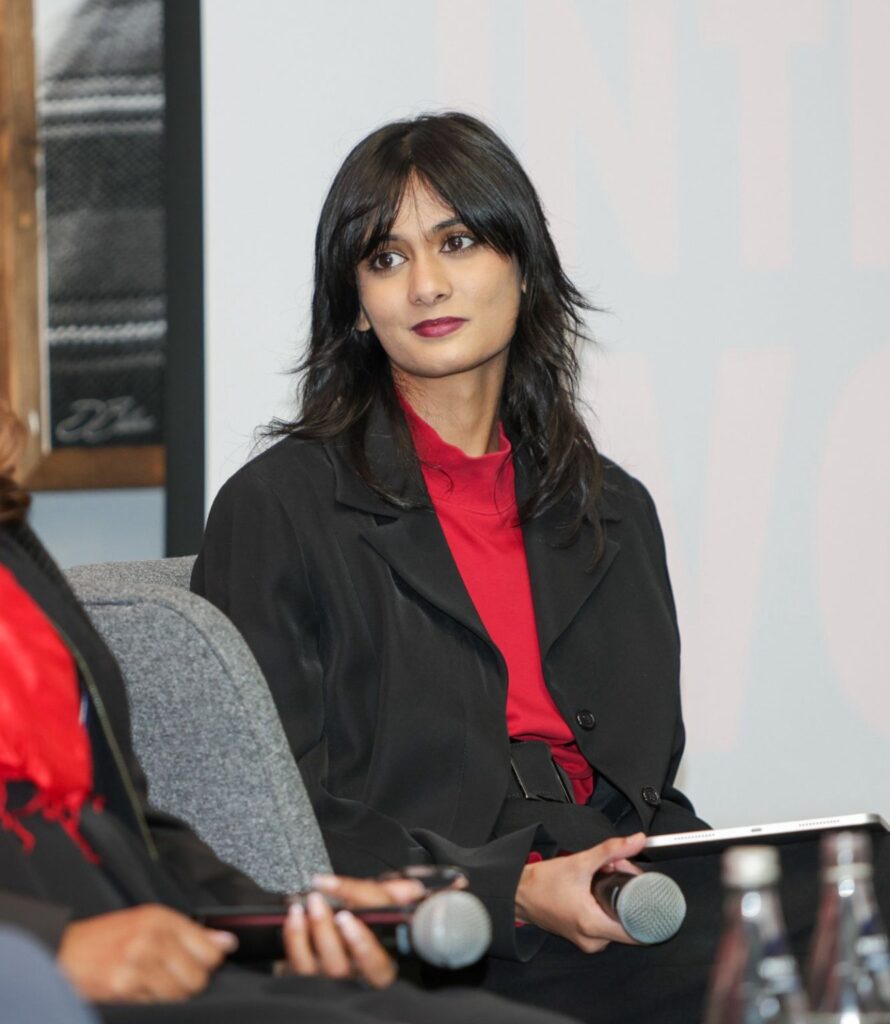
That is why her work with Code Like a Girl continues to matter to her. Today, she’s a Code Like a Girl ambassador, mentor and active voice in youth empowerment at Vodacom. Through youth network activities, awareness campaigns, masterclasses and school engagements, she is helping to create the kind of confidence she once needed to see modelled. “Young girls’ ideas, curiosities and passions for technology are valid – before they even feel ready or fully qualified,” she says.
The message is simple but powerful. Girls do not need to wait until they have every answer before they try. They do not need to shrink their curiosity to fit someone else’s expectation of what a technologist looks like. And when bias or stereotypes appear, community can become a source of resilience. “When those judgements are tied to stereotypes about women,” Zainaaz says, “what has helped me is finding community.”
Reaching back, moving forward
Her own community now includes colleagues, mentors, fellow graduates and young people she hopes to support. She speaks openly about wanting to deepen her cybersecurity skills, pursue further learning and play an even stronger role in Code Like a Girl. Her ambition is to make an impact. “I really want to open doors and empower a lot of youth at Vodacom,” she says. “I want to be the driving force in the Code Like a Girl programme.”
Zainaaz’s story carries the rhythm of steady effort: curiosity, access, hard work, support and a deep sense of responsibility to give back. Along the way, she has learnt to trade perfectionism for consistency. “Keep on doing it,” she says. The phrase sounds modest, but it carries the discipline behind every real shift.
Across Vodacom, Vision 2030 will depend on people who can turn access into momentum. Zainaaz has lived that journey: from learner to builder, bursary recipient to graduate, Code Like a Girl alumna to mentor. Now she wants to help create the same kind of visible pathways for others – safer digital spaces, stronger pipelines for young women, and opportunities that reach talent wherever it is.
Bongi Mbuli, Group Executive Head: Internal Communications, Vodacom Group Sian Singh, Senior Specialist: Internal Communications, Vodacom Group Content contribution: Our thanks to the internal communications teams and representatives from the Vodacom Group of companies One Spirit is edited, designed and published on behalf of Vodacom Group by Media24 (Pty) Ltd
This communication is an internal magazine for employees of the Vodacom Group of companies that is intended solely for use by Vodacom Group employees and authorised representatives. Copyright 2026, Vodacom. All rights reserved. While all precautions have been taken to ensure accuracy of information, neither the editor, publisher nor Media24 can be held liable for any inaccuracies, injury or damage that might occur.
All content, information, artwork and opinions are Classified as C1, as per Cyber Security Restrictions.