Congo calling: the giant that’s just getting started
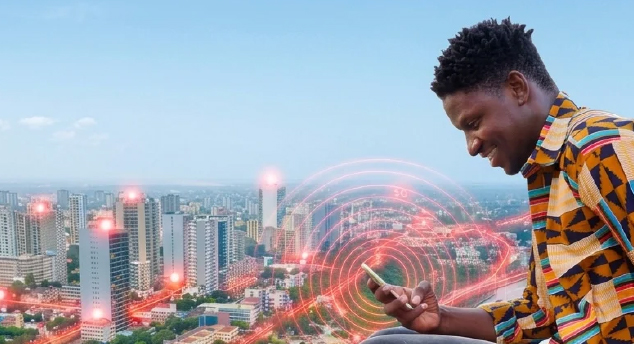
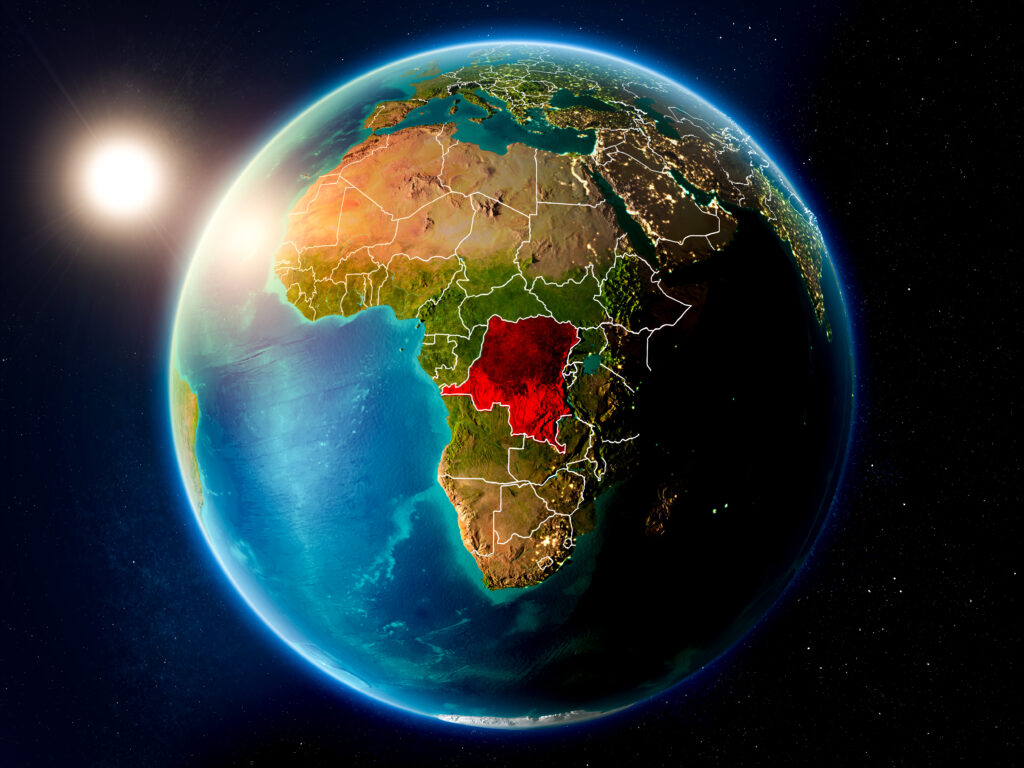
The Democratic Republic of Congo is too often defined by its challenges. Its 23.4 million Vodacom customers tell a different story – one of unstoppable energy, digital momentum and some of Africa’s most exciting market potential.
A country that moves to its own beat
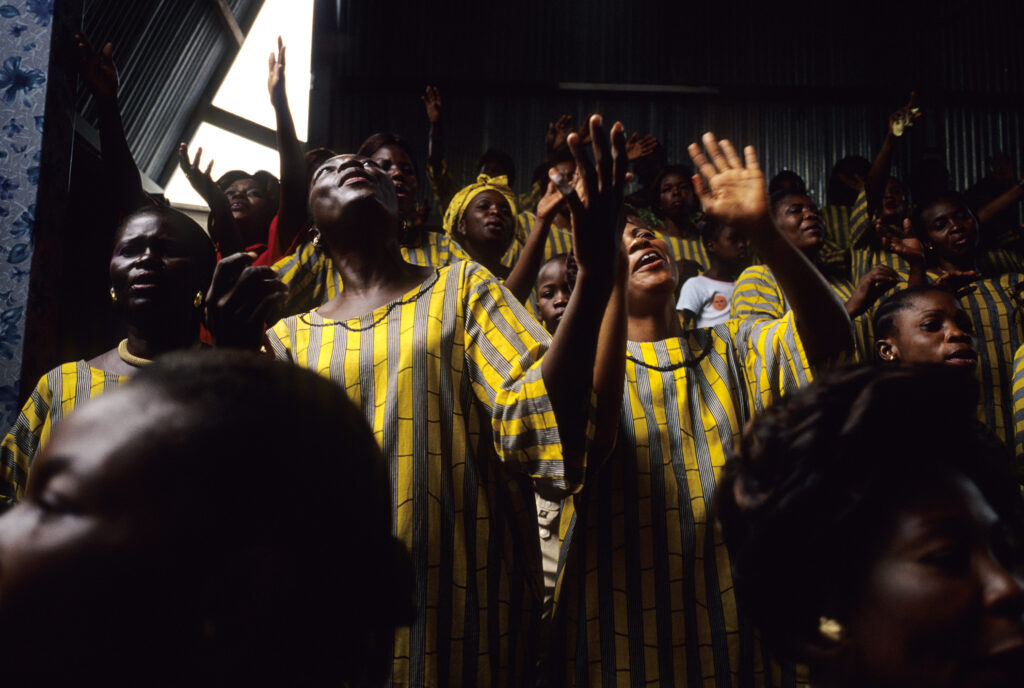
In December 2021, UNESCO added Congolese rumba to its list of intangible cultural heritage. It was formal recognition of something Congolese people have always known: their country doesn’t just participate in the world’s culture – it shapes it.
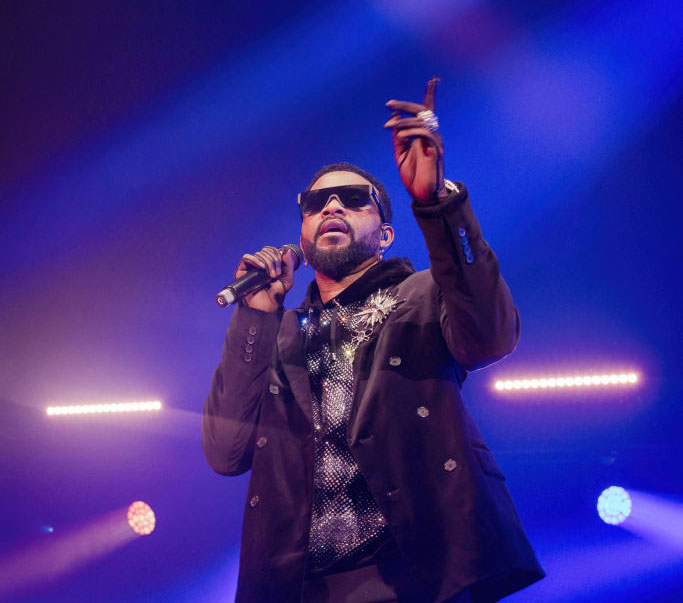
From Grand Kallé and Franco in the 1950s to Papa Wemba’s globe-trotting soukous and Fally Ipupa’s Afrobeats fusions today, the DRC has exported rhythm, style and joy across the planet for decades. Even the slam poets of Goma and Bukavu – under pressure, sometimes in exile, often at risk – refuse to be silenced. “Art remains our oxygen,” said Imani, an artist-activist from Goma. You could say the same about connectivity.
That creative energy runs through everything in the DRC. And Vodacom Congo is part of it.
The music that conquered the world
Congolese rumba is one of Africa’s most exported cultural products. It absorbed Cuban rumba influences in the mid-20th century, transformed into soukous and ndombolo, and now blends with Afrobeats and Amapiano in global charts. Artists like Fally Ipupa and Innoss’B have tens of millions of YouTube views. UNESCO formally recognised Congolese rumba as Intangible Cultural Heritage in December 2021.
The numbers behind the narrative
Vodacom is the DRC’s leading mobile operator, serving 23.4 million customers with a market share above 34%. There are 2 376 4G sites across the country, covering 39.8% of the population, and 1 011 rural sites as part of an accelerating push beyond the cities.
Smartphone penetration sits at 28.1%. That’s a long way from Vision 2030’s 75% target – which makes the DRC one of the biggest growth opportunities in the entire Group. With a population of 110 million and over 200 ethnic groups, the scale of what’s possible here is a mathematical certainty.
DRC at a glance
Population
0
4G sites
0
Financial inclusion customers
0
Code Like a Girl trainees
0
Vodacom Congo customers
0
Rural sites
0
M-PESA Rallonge active users
0
Top Employer recognitions in a row
0
Market position: No. 1 operator >34% market share
34%
4G population coverage
39.4%
Smartphone penetration
28.1%
Connecting where it counts
The boldest signal of Vodacom’s commitment to the DRC is the joint venture with Orange: 2 000 solar-powered base stations targeting coverage for approximately 19 million people in underserved areas. Two competitors, one shared goal. That’s what the long view looks like.
Off-grid solar has been part of Vodacom Congo’s toolkit for over a decade – used to reach localities where the grid simply doesn’t exist. Grid instability is a persistent reality, so solar isn’t just a sustainability story here. It’s an operational necessity that happens to be right for the planet too.
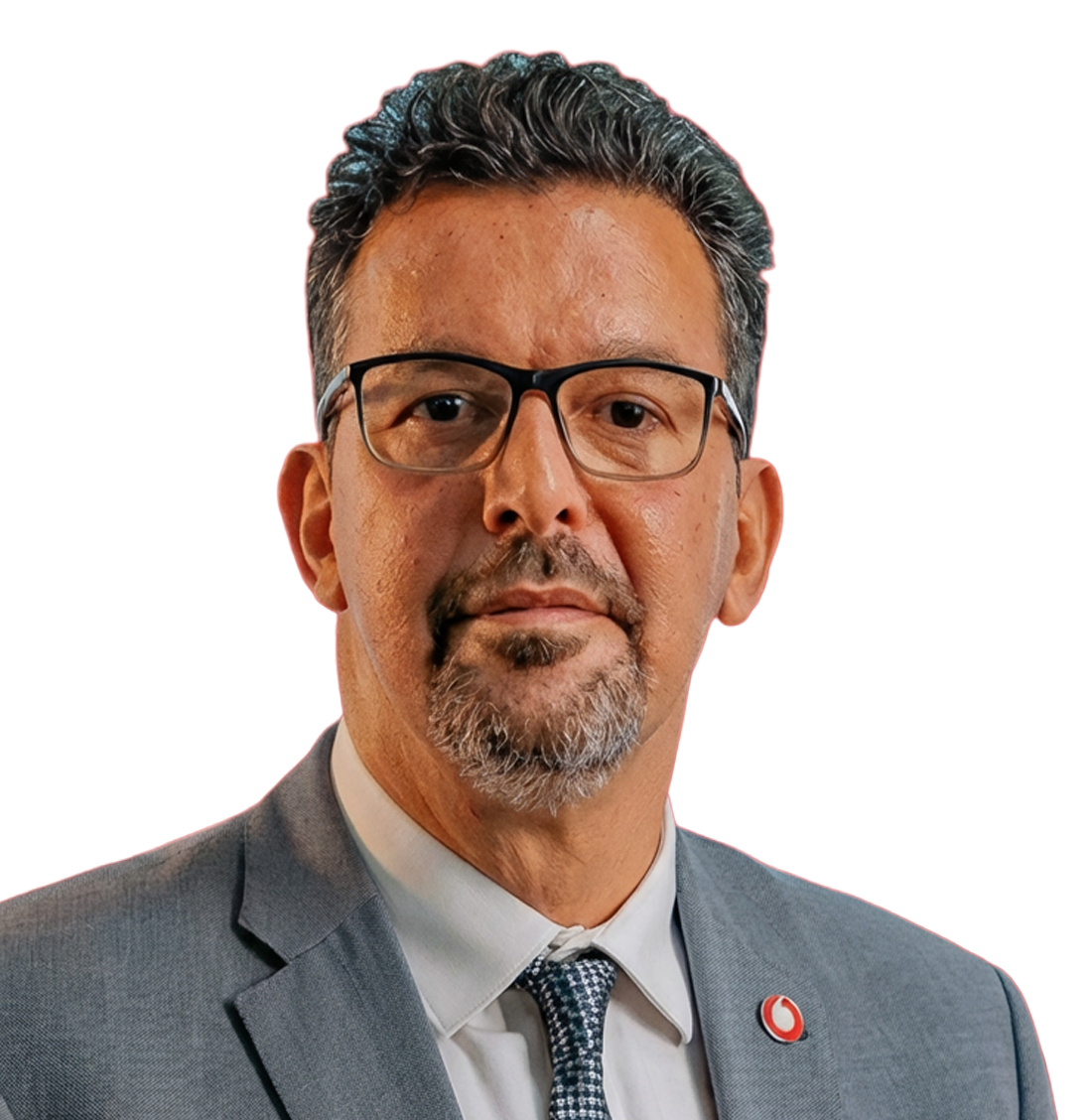
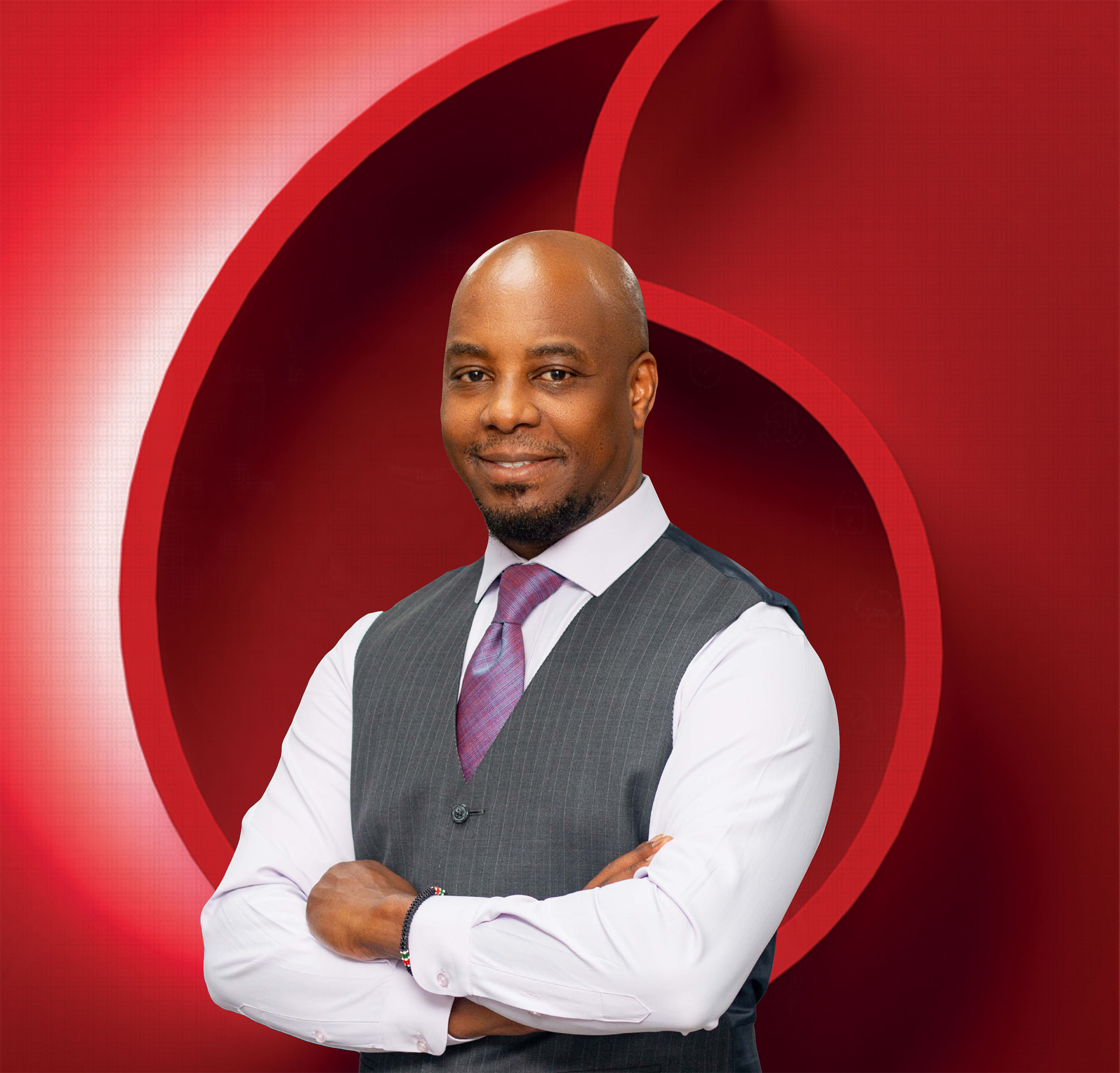
Khalil Al Americani
CEO of Vodacom Congo
“We are proud to stand at the intersection of technology and sustainability, leveraging our reach, resources and relationships to help shape a more inclusive and climate-resilient future.”
Money that moves people forward
Across the DRC, M-PESA is doing what mobile money does best: creating economic access where formal banking hasn’t reached. There are 6.6 million financial-inclusion customers in the country. M-PESA Rallonge – a micro-overdraft service developed with Access Bank – has four million active users and has disbursed $80 million in loans.
For millions of Congolese, that’s the difference between making payroll, buying stock or keeping a business alive.
Merchant payment users have crossed 1.8 million. Airtime Advance has reached one million customers. Cross-border payments connect the DRC to the wider M-PESA ecosystem across East and Southern Africa. The International Finance Corporation (IFC), the private-sector financing arm of the World Bank, is a strategic partner in scaling these services further – in line with our Vision 2030 ambition of reaching 120 million financial services customers across the continent.
A solar bet on the biggest connectivity prize in Africa
The DRC sits on one of Africa’s most unreliable electricity grids – yet it contains the Congo Basin, home to the continent’s largest hydroelectric potential. Vodacom Congo has operated off-grid solar sites for over a decade. The new Vodacom–Orange joint venture will deploy 2 000 solar base stations to reach about 19 million underserved people – one of the largest renewable connectivity initiatives on the continent.
Building the next generation
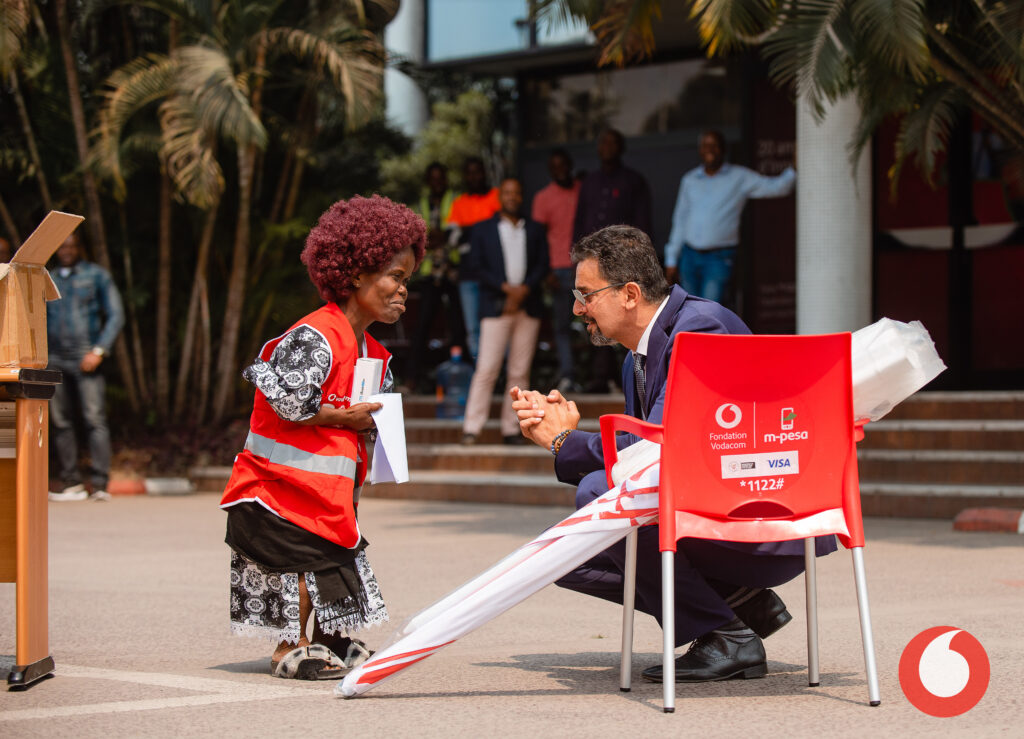
The Vodacom Congo Foundation’s Je Suis Cap (“I am Capable”) initiative empowers marginalised women to become successful entrepreneurs while overcoming their physical disabilities.
Vodacom Congo’s Code Like a Girl programme has trained 2 396 young women in digital skills – 950 of them in FY2025 alone. The Je Suis Cap initiative has trained 2 164 women, including women with disabilities, as M-PESA agents; 130 launched their businesses in FY2025.
Twenty-nine Instant Network Schools serve 49 865 pupils and 913 teachers. Twelve new classrooms have been built, benefiting 31 000 students.
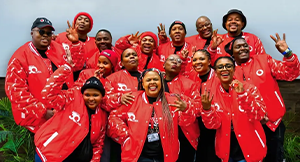
Vodacom DRC has also earned the Top Employer designation 10 consecutive times – a sustained investment in workplace culture that the 962-strong local team has built together.
Eyes open and committed
None of this glosses over the DRC’s complexity. The conflict in the east is real and ongoing. Operating here – maintaining infrastructure, protecting teams, staying present in communities – takes a different kind of resolve.
But that resolve is exactly the point. Our presence in the DRC isn’t conditional on stability. It’s a long-term bet on a country that is building its future, digitally and economically.
That instinct – to show up, stay present and keep going no matter the conditions – runs through the DRC’s artists, its communities and its 962 Vodacom employees in equal measure. Connectivity isn’t an optional extra here – it’s the oxygen.
The DRC is calling. Vodacom answered years ago – and we’re not going anywhere.
Vodacom Congo staff celebrated as the company was named a Top Employer for the 10th time in a row in 2026.
Bongi Mbuli, Group Executive Head: Internal Communications, Vodacom Group Sian Singh, Senior Specialist: Internal Communications, Vodacom Group Content contribution: Our thanks to the internal communications teams and representatives from the Vodacom Group of companies One Spirit is edited, designed and published on behalf of Vodacom Group by Media24 (Pty) Ltd
CREDITS
Cover image: Getty Images & Adobe Firefly Photographs, videos and illustrations: Supplied by Vodacom Group, Adobe Stock, Adobe Firefly, Gallo Images, Getty Images & Google Gemini
DISCLAIMER
This communication is an internal magazine for employees of the Vodacom Group of companies that is intended solely for use by Vodacom Group employees and authorised representatives. Copyright 2026, Vodacom. All rights reserved. While all precautions have been taken to ensure accuracy of information, neither the editor, publisher nor Media24 can be held liable for any inaccuracies, injury or damage that might occur.
All content, information, artwork and opinions are Classified as C1, as per Cyber Security Restrictions.