




A smartphone can change a life – connecting people to education, healthcare, jobs and financial services. Vodacom’s Vision 2030 target of 75% smartphone penetration is about transforming millions of lives through innovation, affordability and partnership.

Africa’s mobile-first reality

Africa is a mobile-first continent with about 710 million unique mobile subscribers, according to the GSMA’s 2024 estimates. However, only about 416 million of those users access the mobile internet, which means many millions of people are yet to unlock the full potential of digital access.

In today’s world, a smartphone can do a lot – offering access to opportunities, information, education and more – and it is Vodacom’s mission to bridge the digital divide by putting more smartphones into Africa’s burgeoning user base.

We know that the cost of smart devices is a challenge. This is why we’re hard at work to make smartphones affordable and accessible through various initiatives.

Our 75% ambition

In Vision 2030, there’s one number that stands as a powerful symbol of our purpose to connect for a better future: 75%. That’s our ambition for smartphone penetration across our markets by the end of the decade – and it’s far more than just a metric.

Every percentage point represents thousands of people gaining access to education, healthcare, financial services and economic opportunity. It’s about women entrepreneurs in Mozambique’s outer regions managing their businesses, students in Lesotho accessing online learning, and families in Kenya staying connected.

Currently sitting at 61.6% (excluding Safaricom), we’re on a mission, and that mission is being powered by innovation, partnerships and some remarkable stories from across the Group.

Giving local manufacturing a boost

The journey began a decade ago with the original Smart Kicka in August 2014 – Vodacom’s first branded smartphone at R549. At the time, the initiative aimed to double smartphone penetration in South Africa’s emerging markets from 27%.

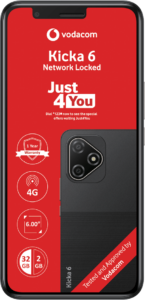
That pioneering spirit continues today. In July 2025, we launched an initiative to let select prepaid customers with 2G handsets upgrade to a 4G Kicka 6 smartphone for R67. Over the past decade, Smart Kicka has driven the availability of smart devices in South Africa as well as Egypt, Lesotho, Mozambique, the DRC and Tanzania.

In Egypt we partnered with Samsung Electronics to introduce a locally produced, entry-level 4G smartphone that is fully compatible with our 4G network. The Samsung Galaxy A05 is supported by a tailored financing programme to increase affordability.
Rewriting the rules in Kenya

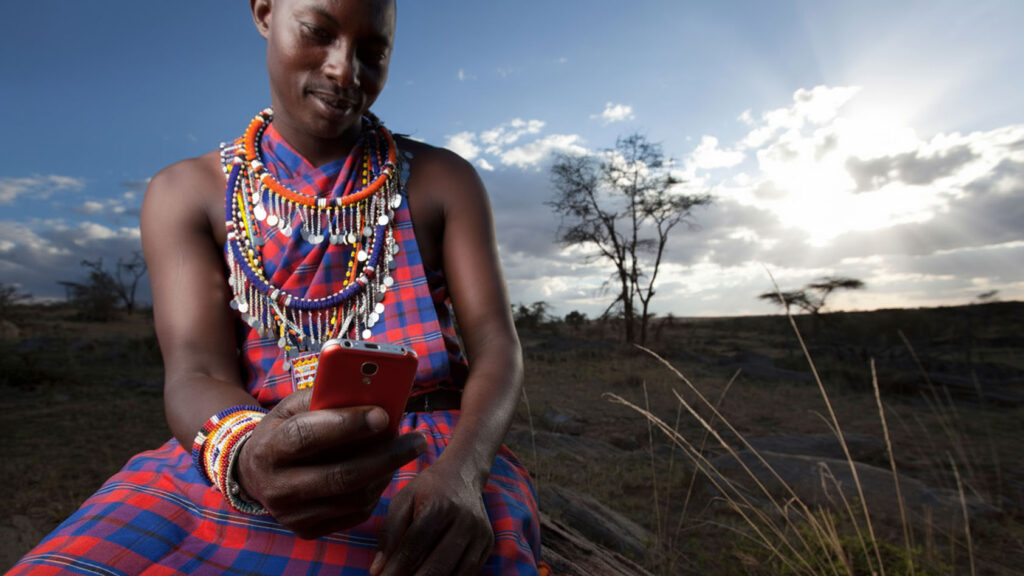
Safaricom’s Lipa Mdogo Mdogo programme has transformed what smartphone ownership means. The name translates to “pay little by little”, and that’s exactly what it enables. For as little as 20 Kenyan shillings per day, customers can own a 4G smartphone loaded with Google apps.

Since launching in 2020, the programme has put smartphones in the hands of over two million Kenyans – from a taxi driver accessing navigation apps, a market vendor using mobile money, to a young person connecting to the digital economy for the first time.

The $30 dream

Another important goal is getting a quality 4G smartphone into customers’ hands for just $30. Vodacom is one of six major operators collaborating through the GSMA Handset Affordability Coalition to make it happen. The goal is to set minimum technical standards to ensure these devices actually work well, then partnering with manufacturers and tech companies to produce them at scale.

The potential impact is massive: a $30 smartphone could bring 50 million more sub-Saharan Africans online, GSMA research suggests. Bridging the digital divide in low- and middle-income countries by 2030 could add $3.5 trillion to global GDP. 

The phone that lives in the cloud

In September 2024, Vodacom South Africa launched a cloud-based smartphone for just R249 (about $14). With minimal hardware specifications (48MB RAM and 128MB storage space), it delivers smartphone experiences like YouTube, TikTok and Facebook through cloud computing.

For the millions still on 2G and 3G networks, or those who’ve never owned a touchscreen device, it’s a bridge to the digital world that costs less than a month’s airtime. The device is opening doors for people who thought smartphones were simply beyond their reach.

Financing the future

Across our markets, we’ve recognised a simple truth: many customers can afford to own a smartphone – they just can’t afford to buy one outright. That’s where financing programmes come in. South Africa’s Easy2Own lets customers pay via airtime recharge, purchasing daily, weekly or monthly Unlock Bundles that include data and minutes while paying off their device over 12 or 24 months.

Lesotho’s Mohala ka Mokitlane offers similar flexibility, while Tanzania’s pay-as-you-go model keeps customers connected to M-PESA and customer care even if payments are missed.

For contract customers in South Africa, we’ve introduced 48-month smartphone contracts, spreading the cost of premium devices over four years to ease monthly payments during tough economic times.

Reaching remote Mozambique

Communities in remote areas, women entrepreneurs and small business owners often lack both the upfront capital for smartphones and reliable ways to access financing. Enter Pouko Pouko, our programme in Mozambique specifically designed for these underserved markets. Like its counterparts across the Group, it offers flexible payment plans, but what makes it distinctive is the bundled approach: in addition to the device, customers get data and voice benefits packaged together, removing another barrier to digital adoption.

Giving devices a second life

Sustainability and affordability intersect in our Good As New programme, launched in South Africa in 2022. Certified pre-owned Apple iPhones come with a 12-month warranty at a fraction of new model prices. It’s part of our commitment to refurbish and recycle 200 000 devices by 2025, tackling e-waste while making premium technology accessible. Every refurbished phone is one fewer device in a landfill and one more person connected.

Putting more handsets in more hands

These initiatives are all part of our bigger vision. From cloud innovation to daily payment plans in Kenya and refurbished iPhones in South Africa, each approach addresses different barriers – affordability, availability, sustainability – facing different communities across our diverse markets.

The path from 61.6% to 75% smartphone penetration is about understanding that a domestic worker in South Africa has different needs to a farmer in Tanzania, and that connecting people requires creativity, persistence and partnership.

As we work towards Vision 2030, every smartphone we put in someone’s hands is a door we’re opening – to opportunity, to connection, to a better future. That’s the promise of 75%, and that’s why we’re committed to getting there, together.