Storytelling is the heartbeat of African culture, weaving together wisdom, rhythm and imagination over millennia. As Africans, we can look back at our roots while celebrating how far they’ve grown. From oral traditions to video games in 4K Ultra HD resolution, Africa is proving that its stories are timeless, even as its methods are cutting-edge.
As Vodacom, we are part of Africa’s great tale, growing from our roots in South Africa and spanning multiple countries, enabling many millions to connect and create. Whether through connectivity, partnerships or technological innovation, Vodacom helps to amplify Africa’s incredible stories.
At the heart of our purpose lies one of the greatest stories ever told – the collective conversation of a continent. Our networks weave the threads of communities, voices and dreams into the larger narrative of African life. This society-wide dialogue is the story of our time, a living testament to collaboration and unity.
Where stories once unfolded by the glow of a fire, the same magic now comes alive through digital technology, allowing African stories to reach new heights – and new audiences.
Tradition meets tech
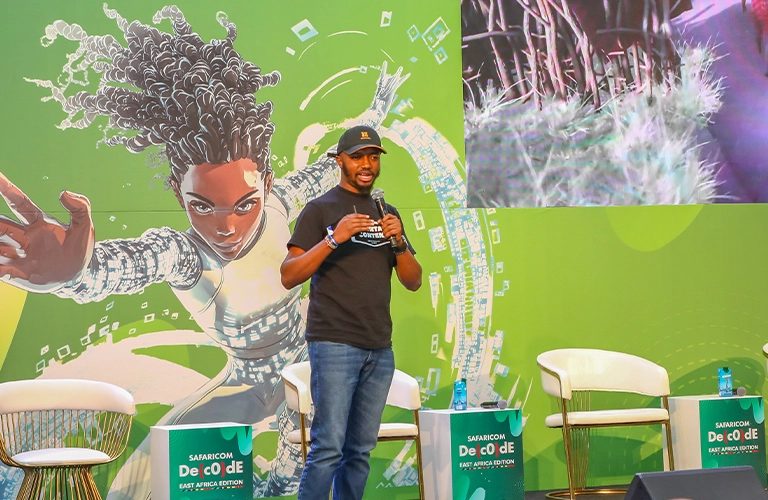
Dean Gichukie is one of the many creators telling African stories through new mediums. As a child immersed in video games like Grand Theft Auto and FIFA, he never saw his world reflected in their digital landscapes. That gap inspired his journey into game design and the founding of Kunta Content, the production house behind Hiru, a groundbreaking Kenyan video game.
Dean Gichukie’s presentation about Hiru drew gasps and cheers at a breakout session during Decode 3.0. Safaricom’s engineering summit brought together some of the brightest minds in the tech industry.
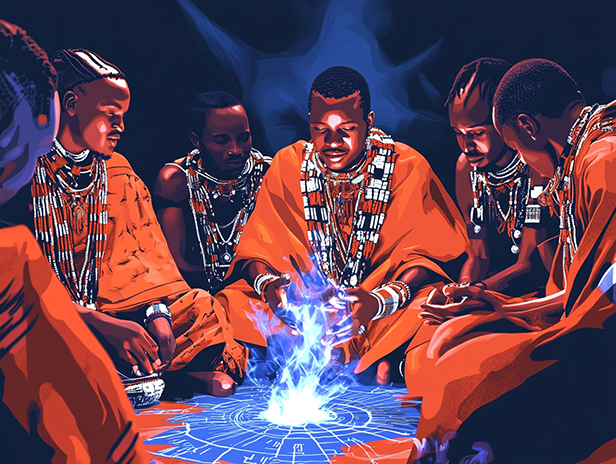
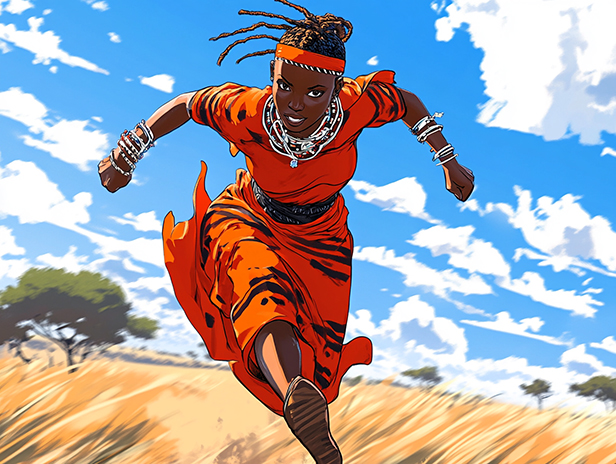
Hiru immerses players in the life of a Maasai warrior, blending tradition and modernity. It challenges gamers to navigate a rapidly changing world while staying rooted in ancestral values – a story many African youths can identify with. The gameplay weaves cultural truths into an action-packed world rendered in super-sharp graphics.
For Dean, games are more than entertainment: “They’ve evolved beyond simple gameplay – they’re interactive, powerful and a brilliant way to tell immersive stories.”
Network of innovation
This is where Vodacom comes in. By providing the connectivity and technology frameworks that spark innovation, Vodacom helps creators like Dean bring stories like Hiru to the global stage. His work shows what African creators can achieve when they have the tools needed to flourish.
Every byte of data transmitted, every partnership sparked, and every innovation supported contributes to a broader African narrative marked by creativity, resilience and growth.
On a journey of growth
The evolution of Hiru itself reflects how far storytelling, and technology, have come. “In 2020, the game’s quality was just 480p, with a tiny map of 100m²,” Dean says. “Today, we’ve grown to 4K visuals, a map of four kilometres by four kilometres – forty times larger, super-high quality. It’s been a journey of growth.”
Vodacom’s mission to connect for a better future echoes this spirit. Whether providing connectivity for game developers or creating technology to amplify African voices, our company’s journey reflects the pride of its people. It’s not just digital transformation – it’s harnessing technology to secure Africa’s rightful place in the global narrative.
As Vodacom employees, each of us is part of this evolving story. Together, we’re playing a vital role in shaping how Africa is represented, celebrated, and remembered for generations to come.
Let’s not only celebrate where we come from – but embrace where we’re headed. With tradition as our compass and technology as our wings, we can take African storytelling to heights the world has yet to imagine.
A timeline of digital storytelling in Africa
2010s: Emergence of African-led game studios
Kiro’o Games (Cameroon) released Aurion: Legacy of the Kori-Odan (2016), widely recognised as the first major African fantasy adventure RPG. Set in a mythical African world, it draws on Central and West African folklore, customs and philosophy.
Leti Arts (Ghana/Kenya) launched games like Africa’s Legends (2014), a mobile game inspired by pan-African mythology and featuring superheroes rooted in local legends.
Late 2010s to the present: expanding representation
Semblance (2018), by South African studio Nyamakop, impressed international audiences, though its setting is abstract rather than specifically African.
Zulu Response (2017), by Web Interactive Solutions, stood out for exploring historical Zulu perspectives on colonial conflicts. The game focuses on the Anglo-Zulu War, offering perspectives from both British and Zulu sides.
Games like Rangi, developed by Morocco-based Funsoft games, use African mythology, aesthetics and themes.
2020s: The industry grows
Studios like Maliyo Games in Nigeria have developed mobile titles such as Aboki Run and Mama Atingi Shop, drawing directly from Nigerian urban life and culture.
Daniel Macharia from Kenya created Nairobbery (2024), an action-adventure game where players explore Nairobi, face real-life inspired challenges, and discover landmarks while experiencing stories rooted in local folklore.
Digital Lab Africa is an initiative of the French Institute and the French Embassy in South Africa, managed by the South African innovation hub Tshimologong Digital Innovation Precinct since 2018.
GamesConnect AFRICA is an initiative that fosters a sustainable gaming ecosystem by empowering African studios, promoting global collaborations, advocating policy support, and showcasing African-made games at festivals and events.
Bongi Mbuli, Group Executive Head: Internal Communications, Vodacom Group Sian Singh, Senior Specialist: Internal Communications, Vodacom Group Content contribution: Our thanks to the internal communications teams and representatives from the Vodacom Group of companies One Spirit is edited, designed and published on behalf of Vodacom Group by Media24 (Pty) Ltd
This communication is an internal magazine for employees of the Vodacom Group of companies that is intended solely for use by Vodacom Group employees and authorised representatives. Copyright 2026, Vodacom. All rights reserved. While all precautions have been taken to ensure accuracy of information, neither the editor, publisher nor Media24 can be held liable for any inaccuracies, injury or damage that might occur.
All content, information, artwork and opinions are Classified as C1, as per Cyber Security Restrictions.