Safaricom celebrates 24 years of transforming lives
For 24 years, Safaricom has been more than just a telecommunications company; it has been a significant force for positive change, connecting millions of Kenyans and empowering communities. Since its official launch on 23 October 2000, Safaricom has transformed the way that Kenyans live, work and interact.
To mark this incredible journey, Safaricom is celebrating its 24th anniversary under the theme “24 Years of Transforming Lives: Celebrating Through Service”.
Throughout the year, Safaricom is organising engaging activities for its customers, highlighting its commitment to adding value to the lives of Kenyans. Various service and product offerings play a key role in this celebration, reflecting the gratitude Safaricom feels towards its loyal customers, whose trust and support have propelled it to where it stands today.
Innovation, empowerment and progress
“As we mark 24 years of connecting Kenyans, I want to immensely thank our loyal customers for walking with us on this exciting journey,” says Peter Ndegwa, CEO of Safaricom. “Because of you, we have grown from a telco to a cornerstone of innovation, empowerment and progress in Kenya. Your trust and unwavering support have inspired us every step of the way.”
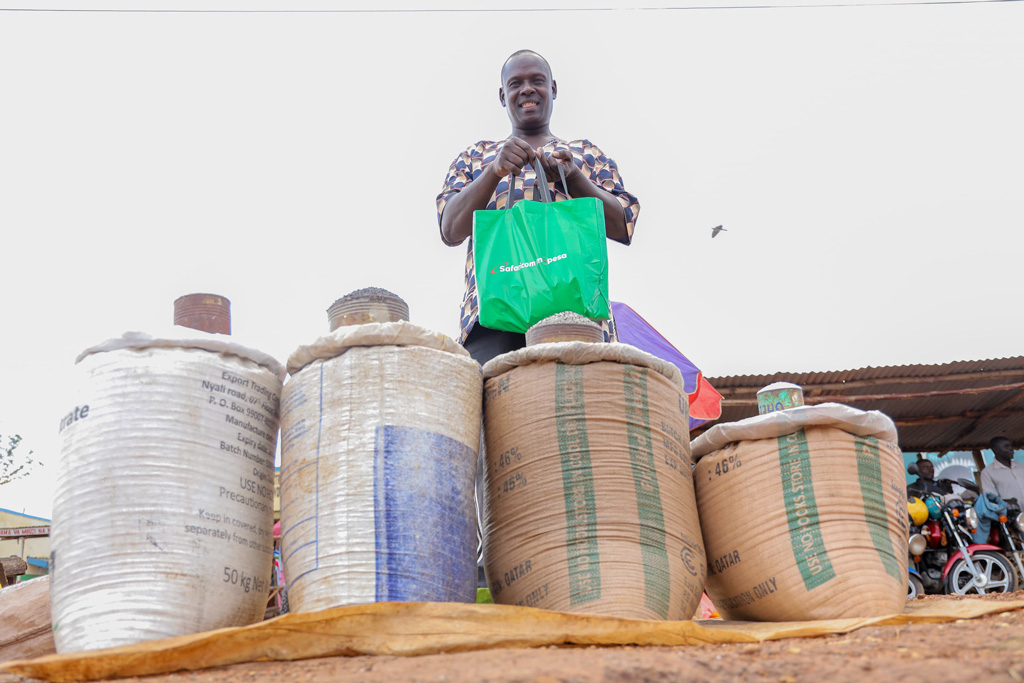
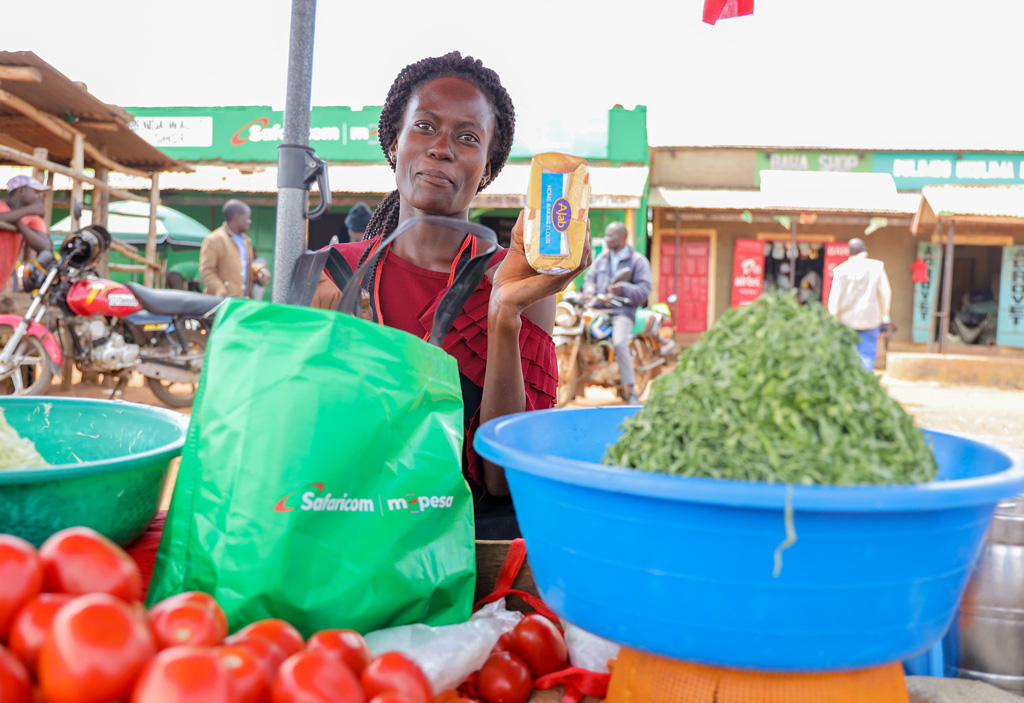
From its humble beginnings as a mobile network provider, Safaricom has evolved into a pivotal player in Kenya’s technological landscape. It has been a driving force for innovation and transformation, bringing revolutionary services like M-PESA, the mobile money platform that has made financial services accessible to millions. This innovation alone has not only transformed financial transactions but has also lifted barriers for many businesses, individuals and communities that previously had limited access to banking.
Passion for uplifting communities
The impact of Safaricom extends far beyond just business achievements. Safaricom Foundation has been instrumental in driving positive societal changes across areas such as health, education, economic empowerment and environmental conservation. Safaricom’s dedication to corporate social responsibility (CSR) shows its passion for uplifting communities and ensuring that its growth benefits not only its customers but the country at large.
Giving back to customers
Celebrating its achievements, Safaricom has embarked on the “SambazaFuraha” campaign, a five-week festive initiative aimed at delighting its customers with a slew of gifts ranging from food hampers to airtime. This campaign, in line with the company’s anniversary celebrations, aims to spread joy and gratitude during the holiday season, embodying the true spirit of giving.
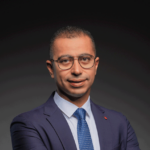
Peter Ndegwa
CEO of Safaricom
“Safaricom has a long-standing commitment to making a positive impact in the communities it serves. Over the years, we have dedicated our resources to various community development initiatives, and this Christmas, we are bringing festive cheer to our customers and every Kenyan, and we shall also continue spreading the Christmas cheer to the underprivileged across the country.”
The campaign is not limited to gift-giving. It takes the form of a caravan tour that visits different regions across Kenya, hosting community engagement activities. These include S-Hook workshops for the youth, dealer engagements, business clinics, and free medical camps, meeting the diverse needs of various communities. This journey of engagement emphasises Safaricom’s mission to ensure its services reach every corner of the country.
The spirit of giving was marked by a community feeding programme at Ndumberi Primary School in Kiambu County, reinforcing Safaricom’s role in not only connecting but also uplifting communities.
Promise of an even brighter future
Through these initiatives, Safaricom underscores its vision to be a force for good, transforming lives while building bridges of community and innovation. Its journey over the past two decades speaks volumes of its commitment to Kenya’s socio-economic transformation, evolving from a telecommunication service provider to a key driver of technological and social change.
As Safaricom celebrates its 24th birthday, the company reasserts its commitment to Kenya and its people. With an eye to the future, Safaricom is set to continue its legacy as a leader in connectivity and a champion for societal good. The company remains poised to explore new innovations and opportunities that can drive further progress and prosperity across Kenya.
The journey of 24 years is not just a celebration of the past but a promise for an even brighter future, where connection and transformation continue to inspire and empower millions of Kenyans for years to come.
14 at 24: the words Safaricom made
As Safaricom celebrates its 24th birthday, we look at 14 words, names and phrases used by Safaricom for its products and services that have now become part of everyday Kenyan language.
1. Fuliza
Launched in 2019, Fuliza is a continuous overdraft service that allows Safaricom’s M-PESA customers to complete their M-PESA transactions even when they don’t have enough funds. Now it has come to be used as a word for taking any kind of loan.
2. Okoa Jahazi
When you run out of airtime, OkoaJahazi saves the day. This service allows qualifying Safaricom subscribers to request advance airtime. To “Okoa” now means to come through for someone in need.
3. Bamba 20
Back in the day, when someone needed airtime, they would have to physically walk to the nearest shop to purchase it. The smallest amount of airtime one could buy at the time was 50 Kenyan shilling. However, Safaricom came through for its customers in 2018 when it launched the Bamba 20 scratch card, which became the most affordable airtime in Kenya. A Bamba 20 has since come to refer to a young person, specifically a young woman.
4. Simu yaJamii
One of Safaricom’s first products, Simu ya Jamii was a community phone used by those who couldn’t afford a mobile. The phrase now refers to anything communal.
5. Pochi la Biashara
This product allows informal business owners like food vendors and boda-boda operators to receive and separate business funds from personal funds on their M-PESA line. Even matatu conductors now ask passengers to send their fare to a Pochi number that they provide. This word has now become a colloquial euphemism in Kenyan slang.
6. Mteja
The most probable response you’ll hear when someone unsuccessfully tries to get in touch with a friend or loved one on the phone and they are unavailable is “Ako mteja”. This has been made popular by the famous “Mtejawanambariunayopigahapatikanikwasasa” recorded message that one hears when a mobile phone is switched off or out of network range. Being mteja refers to being unavailable or unreachable.
7. Sambaza
Sambaza began as Safaricom’s name for the mechanism of sending airtime credit from one mobile phone to another. The word has morphed to refer to sharing anything, and is featured in the Oxford Dictionary. If you’re a commuter who frequently uses the 14-seater Nissans for transportation, you’ll be familiar with sambaza as the word that now refers to the wooden plank used as a seat for the extra passengers.
8. Niko na Safaricom
The “Niko na Safaricom” television commercial was shot when Safaricom was celebrating its 10th anniversary, and Kenyans hold it near and dear. It captured the hearts and minds of Kenyans as a celebration of our Kenyanness. The “Niko na” advert is now the SI Unit’s reference point in the marketing world of Kenyan cinematic and thematic advertising.
9. Bonga points
If you’re in a fix, you can redeem Bonga points to pay for most goods and services. This loyalty scheme lets registered Safaricom subscribers earn points. You earn 1 Bonga point for every KES 10 spent on voice calls, SMS or data. Now, Bonga points refer to the goodwill one gets for doing a good deed.
10. M-Vitus
Taking a cue from M-PESA, the majority of Kenyan techies name their innovations starting with the letter “m”. In the tech world, M-Vitus now refers to any Kenyan mobile-centric innovation.
11. SKIZA
Safaricom created SKIZA to provide a platform for Kenyan musicians to sell their music and offer them a chance to reach the company’s subscribers. “SKIZA tune” now generally refers to any caller ring-back tone service that lets you personalise what callers hear when they call you.
12. Credo
“Uko na credo unipigie?” Airtime is the credit that allows a mobile phone to function, including making calls, sending texts and using data. Kenyans rarely refer to airtime but instead say credo, a corruption of the word “credit”.
13. Kabambe
Made popular by the Nokia 1100, the entry-level phone during the early days of Safaricom, Kabambe now refers to all feature phones. Popular due to their long-lasting battery, toughness and portability, the phone, also referred to as “Mulika Mwizi” or “Katululu”, is suitable for those who are on the phone a lot and have no access to electricity for constant charging. In a bid to get most Kenyans to go digital, Safaricom introduced affordable 4G phones in a campaign dubbed “Mwelekeo Ni Internet”.
14. M-Shwari
Launched in 2013 through a collaboration between NCBA and Safaricom, M-Shwari enables M-PESA customers in Kenya to access interest-bearing savings accounts and take out small loans. M-Shwari has cultivated a savings culture among Kenyans, and the “52 Week Savings Challenge”, which runs from January to December, is now highly popular.
Bongi Mbuli, Group Executive Head: Internal Communications, Vodacom Group Sian Singh, Senior Specialist: Internal Communications, Vodacom Group Content contribution: Our thanks to the internal communications teams and representatives from the Vodacom Group of companies One Spirit is edited, designed and published on behalf of Vodacom Group by Media24 (Pty) Ltd
This communication is an internal magazine for employees of the Vodacom Group of companies that is intended solely for use by Vodacom Group employees and authorised representatives. Copyright 2026, Vodacom. All rights reserved. While all precautions have been taken to ensure accuracy of information, neither the editor, publisher nor Media24 can be held liable for any inaccuracies, injury or damage that might occur.
All content, information, artwork and opinions are Classified as C1, as per Cyber Security Restrictions.